How Flexible Are You, Really? My Daily Moves That Made a Difference
You don’t need to be a gymnast to benefit from better flexibility. I used to think stretching was just something people did after workouts—until I started feeling stiff getting out of bed. Over time, I noticed how tight hips and stiff shoulders were affecting my energy and mood. Flexibility isn’t just about how far you can reach; it’s a real health signal. Here’s what changed when I started paying attention—simple, science-backed moves that fit into real life.
The Hidden Signal in Your Stiffness
Stiffness is more than just an uncomfortable sensation—it can be an early warning sign that something in your body needs attention. Many people dismiss morning tightness or difficulty bending down as normal signs of aging, but research shows that reduced range of motion often reflects deeper patterns of inactivity, poor circulation, or muscle imbalances. When muscles remain shortened for long periods, especially due to prolonged sitting, they adapt by becoming tighter and less responsive. This can lead to postural strain, joint compression, and even affect how efficiently your body delivers oxygen and nutrients through the bloodstream.
Consider everyday actions: reaching into the back seat of a car, lifting a grocery bag, or bending to tie a shoe. These movements rely on flexibility in key areas like the hamstrings, hips, and shoulders. When those areas are restricted, the body compensates by overusing other muscles, which increases the risk of strain. For instance, tight hip flexors can pull the pelvis forward, leading to chronic lower back discomfort. Similarly, stiff shoulders may cause neck tension and headaches, particularly if you spend hours at a desk. The body is designed to move fluidly, and when it can’t, the consequences ripple through daily life.
One of the most overlooked aspects of stiffness is its connection to energy levels. When muscles are tense, they consume more oxygen and produce more metabolic waste, which can contribute to feelings of fatigue. Improved flexibility allows for smoother circulation and more efficient movement, reducing the physical effort required for routine tasks. That means more energy for the things that matter—playing with grandchildren, gardening, or simply enjoying a walk without discomfort. Recognizing stiffness not as an inevitable part of aging but as a modifiable condition is the first step toward reclaiming ease in movement.
Why Flexibility Matters More Than You Think
Flexibility is often undervalued in discussions about health, yet it plays a foundational role in long-term wellness. It’s not just about touching your toes; it’s about maintaining the body’s ability to function safely and efficiently over time. Supple muscles support joint health by allowing full, controlled motion without strain. This reduces wear and tear on cartilage and ligaments, lowering the risk of injuries such as sprains or tendonitis. As we age, preserving joint mobility becomes increasingly important to maintain independence and prevent falls, which are a leading cause of injury among adults over 50.
Beyond physical protection, flexibility has a direct impact on posture and alignment. Poor posture—such as rounded shoulders or a forward head position—is often the result of muscle imbalances, where some muscles are chronically tight and others are underused. Stretching helps restore balance, allowing the spine to align naturally and reducing strain on the neck, back, and shoulders. This improved alignment doesn’t just make you look taller and more confident; it also enhances breathing, digestion, and even sleep quality by reducing physical tension that can interfere with rest.
Equally important is the connection between flexibility and the nervous system. Tight muscles send continuous signals to the brain, contributing to a state of low-grade stress. When you stretch mindfully, especially with slow, deep breathing, you activate the parasympathetic nervous system—the body’s “rest and digest” mode. This helps lower cortisol levels, slow the heart rate, and promote a sense of calm. In this way, stretching becomes more than a physical practice; it’s a form of self-care that supports emotional resilience. The benefits accumulate quietly but powerfully over time, making daily life feel less taxing and more manageable.
Common Myths That Hold People Back
Despite its benefits, many people avoid stretching because of deeply held misconceptions. One of the most common is the belief that “I’m too old to improve my flexibility.” This couldn’t be further from the truth. Studies have shown that adults of all ages, including those in their 70s and 80s, can significantly increase their range of motion with consistent, gentle stretching. The body retains its ability to adapt throughout life, and connective tissues respond positively to regular movement, even when started later in life.
Another myth is that flexibility is only for athletes or yoga enthusiasts. In reality, everyone benefits from improved mobility, regardless of fitness level. You don’t need to perform advanced poses or spend hours on a mat. Even two to three minutes of targeted stretching a day can make a measurable difference over time. The goal isn’t to achieve extreme flexibility but to restore the natural range of motion that supports pain-free living. It’s not about performance; it’s about function—being able to move without restriction in your daily routine.
Time is another frequent excuse: “I don’t have 30 minutes to stretch.” But flexibility training doesn’t require long sessions. Micro-stretching—short, focused movements integrated into existing routines—can be just as effective. For example, stretching while waiting for the kettle to boil or during commercial breaks while watching TV turns idle moments into opportunities for improvement. The key is consistency, not duration. By reframing stretching as a seamless part of daily life rather than an added chore, it becomes sustainable and even enjoyable. Progress may be gradual, but it is real and within reach for anyone willing to start small.
My 3 Simple Daily Moves (And Why They Work)
After years of feeling stiff and sluggish, I began experimenting with simple stretches that fit into my schedule. Three moves stood out for their ease, effectiveness, and noticeable impact. The first is the seated forward fold. Sitting on the edge of a chair with feet flat on the floor, I slowly hinge at the hips, reaching my hands toward my toes. This stretch gently lengthens the hamstrings and lower back—areas that often tighten from sitting. I keep my back straight and avoid forcing the movement, allowing gravity to do the work. Within a few weeks, I noticed I could bend further without strain, and my lower back felt less tense throughout the day.
The second move is the standing chest opener. With feet shoulder-width apart, I clasp my hands behind my back and gently lift them while opening my chest forward. This counteracts the forward shoulder posture that develops from typing or driving. It stretches the pectoral muscles and improves shoulder mobility, which in turn supports better breathing and posture. I do this for 30 seconds each morning, and it instantly makes me feel more alert and upright. Over time, my shoulders naturally sit in a more relaxed, neutral position, reducing neck tension.
The third is the lying spinal twist. Lying on my back with knees bent, I slowly drop both knees to one side while keeping my shoulders flat on the floor. I turn my head in the opposite direction and breathe deeply for 20–30 seconds before switching sides. This stretch releases tension in the lower back and improves spinal rotation, which is essential for everyday movements like turning to check a blind spot while driving. It also aids digestion by gently massaging the internal organs. I do this before bed, and it helps me unwind and sleep more soundly. These three moves take less than five minutes total, yet they’ve made a lasting difference in how my body feels and functions.
How to Test Your Flexibility Safely
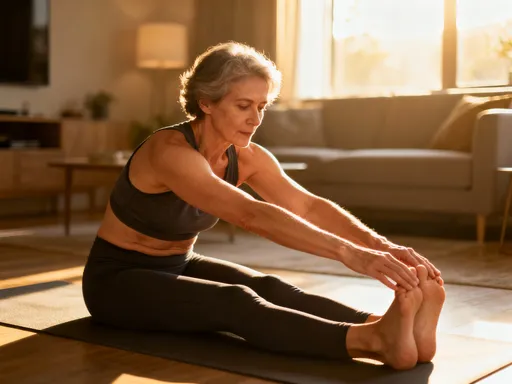
Before starting any new movement routine, it’s helpful to assess your current flexibility to track progress over time. One of the most reliable self-tests is the sit-and-reach. Sit on the floor with legs extended and feet flat against a wall or box. Slowly reach forward with both hands, keeping knees slightly bent if necessary, and note how far you can go. This measures hamstring and lower back flexibility. If your fingertips don’t reach your toes, that’s normal—what matters is improvement over time, not the starting point.
Another useful check is the shoulder mobility test. Stand with your back against a wall and try to bring your arms up overhead while keeping your elbows and wrists in contact with the surface. If you can’t raise your arms fully without lifting your elbows, it indicates tightness in the shoulders or chest. A third assessment is hip rotation: sit on a chair and cross one ankle over the opposite knee, then gently press down on the raised knee. Limited movement suggests tight hip rotators, which can contribute to lower back strain. These tests should be done gently, without forcing or bouncing, and never to the point of pain.
It’s important to remember that flexibility varies from person to person, and asymmetries are common. What matters most is progress and function. If you notice a significant difference between sides or sudden loss of mobility, it may be worth consulting a physical therapist. Testing every few weeks helps maintain motivation and provides tangible feedback on your efforts. The goal isn’t perfection but gradual improvement—small gains that add up to greater ease in daily movement. By tracking your range of motion, you turn an abstract concept into a measurable, achievable outcome.
Building a Habit That Sticks
The biggest challenge isn’t knowing how to stretch—it’s remembering to do it consistently. The most effective way to build a lasting habit is to link stretching to an existing daily routine. For example, I do my seated forward fold and chest opener right after brushing my teeth in the morning. This pairing makes it automatic, like a natural next step. Others find success by stretching during TV commercials, after hanging up the phone, or while waiting for the coffee to brew. These “habit stacking” techniques reduce the mental effort required to start, making it more likely you’ll follow through.
Consistency matters far more than intensity. Even 60 seconds of stretching a day can yield benefits when done regularly. To stay motivated, I use a simple calendar checkmark system—putting a mark each day I complete my three moves. Seeing the chain grow creates a sense of accomplishment and encourages continuity. I also pay attention to how my body feels: less stiffness, easier movement, better sleep. These subtle rewards reinforce the habit from within, making it feel less like a chore and more like a gift to myself.
Another key to sustainability is keeping expectations realistic. Flexibility improves gradually, and plateaus are normal. Some days, you may feel tighter than others—and that’s okay. The goal is not daily perfection but long-term commitment. On busy days, I scale back to just one stretch, knowing that something is always better than nothing. Over time, this flexibility in approach leads to greater adherence. The routine becomes a quiet, reliable part of my day—a small act of care that supports my overall well-being without demanding much time or effort.
When to Seek Help: Flexibility and Underlying Health
While daily stretching is beneficial for most people, it’s important to recognize when stiffness may signal a deeper issue. Sudden or unexplained loss of mobility, sharp pain during gentle stretching, or significant asymmetry between sides should not be ignored. These could indicate underlying conditions such as nerve compression, joint degeneration, or inflammatory disorders. Persistent muscle tightness that doesn’t improve with regular movement may also be linked to dehydration, poor sleep, or chronic stress—all of which affect muscle tone and recovery.
If stretching causes pain rather than mild tension, it’s time to pause and consult a healthcare professional. A physical therapist can assess your movement patterns, identify imbalances, and design a safe, personalized plan. Similarly, if you have a history of injury, surgery, or chronic pain, it’s wise to seek guidance before starting a new routine. Flexibility is one piece of a larger health puzzle that includes nutrition, hydration, sleep, and overall activity levels. Addressing these factors together creates a stronger foundation for lasting improvement.
It’s also important to view flexibility as a dynamic indicator of wellness, not a fixed measure. Just as blood pressure or energy levels can fluctuate, so can your range of motion. Some days you’ll feel looser, others tighter—and both are normal. The goal isn’t to force your body into a rigid standard but to listen to its signals and respond with care. When done mindfully, stretching becomes a form of communication with your body, helping you stay attuned to its needs and changes over time.
Flexibility is more than just physical—it’s a window into your overall well-being. It reflects how you move, how you feel, and how you care for yourself. The small, mindful movements you make today add up to greater ease and resilience tomorrow. It’s not about achieving a perfect pose, but about moving through life with less effort and more comfort. By starting small, staying consistent, and tuning in to your body’s signals, you can build a practice that supports you for years to come. Let your body guide the way, one gentle stretch at a time.