How I Turned Back the Clock Without Surgery — My Real Anti-Aging Exercise Journey
What if aging wasn’t just about time, but how you move? After turning 40, I noticed slower recovery, stiffer joints, and less energy. Instead of chasing creams or quick fixes, I dug into science-backed ways to slow aging from within. What I discovered wasn’t magic — it was movement. This is how a simple, daily exercise plan reshaped my body, mind, and confidence, all without pills or pain. At first, I didn’t think much of the changes. A little stiffness in the mornings, a bit more effort to climb stairs, needing extra rest after a long day — these felt normal, even expected. But when I found myself avoiding activities I once loved, like hiking with my kids or dancing at family gatherings, I realized something deeper was happening. It wasn’t just age catching up; it was my body signaling that it needed care, attention, and motion. What followed was a journey rooted not in vanity, but in vitality — a commitment to move smarter, stronger, and with greater intention. The results surprised me, not because I looked younger, but because I felt stronger, more present, and more in control of my health than I had in years.
The Wake-Up Call: Recognizing the Signs of Accelerated Aging
For many women in their 40s and 50s, the early signs of aging are easy to dismiss. Fatigue becomes routine. Joints creak when you stand. Simple tasks like lifting groceries or bending to tie shoes require more effort than they used to. These changes are often labeled as inevitable — just part of “getting older.” But modern science tells a different story. These symptoms are not merely markers of time passing; they are indicators of biological aging accelerating, often due to lifestyle factors that can be addressed. One of the most significant contributors is physical inactivity. When movement decreases, the body begins to break down at a faster rate, a process supported by research on cellular aging and muscle loss.
Sarcopenia, the progressive loss of muscle mass and strength, typically begins around age 30 and accelerates after 50. Studies show that without intervention, adults lose between 3% and 5% of their muscle mass each decade. This decline affects more than just physical appearance — it weakens metabolism, increases fall risk, and diminishes independence. Equally concerning are the changes in energy levels and mental clarity. Many women report brain fog, low motivation, and disrupted sleep during midlife, often linked to hormonal shifts. However, research from the National Institute on Aging emphasizes that regular physical activity can significantly delay or even reverse many of these changes, regardless of when you start.
The turning point for many is recognizing that aging is not a passive process. It is influenced by daily choices — what you eat, how you sleep, and especially how much you move. Inactivity acts like a silent accelerant, speeding up the wear and tear on joints, muscles, and organs. But the good news is that the body responds remarkably well to movement, even after years of sedentary habits. The first step is awareness: noticing the small shifts in your body and choosing to respond with action rather than resignation. That awareness was my wake-up call — the moment I decided to stop accepting stiffness and fatigue as normal and start treating my body with the care it deserved.
Why Exercise Is the Most Powerful Anti-Aging Tool (Backed by Science)
If there were a single, proven intervention to slow aging, it wouldn’t be a costly cream or a trendy supplement — it would be exercise. Decades of research confirm that physical activity is one of the most effective ways to preserve youth at the cellular level. One of the most compelling findings involves telomeres, the protective caps at the ends of chromosomes that shorten as we age. Shorter telomeres are associated with cellular aging and increased risk of chronic disease. However, a 2017 study published in Preventive Medicine found that adults who engaged in regular moderate-to-vigorous physical activity had telomeres that were, on average, nine years “younger” than those of sedentary individuals of the same age.
Beyond telomeres, exercise supports mitochondrial health — the energy factories inside our cells. As we age, mitochondria become less efficient, leading to fatigue and slower recovery. Exercise, particularly aerobic and resistance training, stimulates the creation of new mitochondria and improves their function. This means more energy, better endurance, and a stronger defense against age-related decline. Additionally, physical activity reduces chronic inflammation, a key driver of conditions like heart disease, arthritis, and cognitive decline. A 2020 review in Frontiers in Physiology concluded that regular exercisers have lower levels of inflammatory markers such as C-reactive protein, regardless of body weight.
Exercise also enhances insulin sensitivity, helping the body manage blood sugar more effectively — a critical factor in preventing type 2 diabetes and metabolic syndrome. Furthermore, movement supports brain health by increasing blood flow, promoting the growth of new neurons, and reducing the risk of dementia. A long-term study from the Journal of Alzheimer’s Disease found that women who walked regularly in midlife had a 40% lower risk of cognitive decline over the next two decades. These benefits are not reserved for athletes or fitness enthusiasts. Even moderate activity, when done consistently, produces measurable changes at the biological level. In essence, exercise doesn’t just improve how you look or feel — it changes how your body ages from the inside out.
The Core Pillars: Building an Anti-Aging Exercise Plan That Works
An effective anti-aging exercise plan doesn’t require extreme workouts or hours at the gym. What matters most is consistency and balance. The most sustainable routines are built on three foundational pillars: strength training, aerobic activity, and mobility work. Each plays a unique and essential role in promoting longevity, and together, they create a comprehensive approach to healthy aging. The goal is not to push the body to its limits, but to support it in functioning optimally for as long as possible.
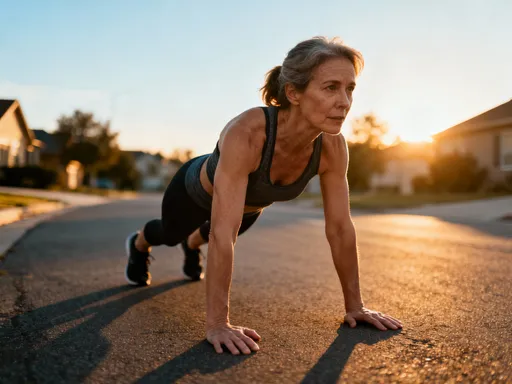
Strength training is crucial for maintaining muscle mass and bone density. After 30, muscle loss begins to accelerate, and without resistance exercise, this decline can lead to weakness, poor balance, and increased injury risk. Lifting weights or using bodyweight exercises like squats, lunges, and push-ups helps preserve lean tissue, which in turn supports metabolism and joint stability. Research from the American College of Sports Medicine shows that even two strength sessions per week can significantly improve muscle strength and functional ability in middle-aged and older adults.
Aerobic activity, such as brisk walking, cycling, or swimming, supports heart and lung health while improving circulation and endurance. This type of exercise enhances the body’s ability to use oxygen efficiently, which translates to more energy and better stamina in daily life. It also plays a key role in managing weight, reducing blood pressure, and supporting mental well-being. The Centers for Disease Control and Prevention recommend at least 150 minutes of moderate-intensity aerobic activity per week for adults, a target that is both achievable and highly beneficial.
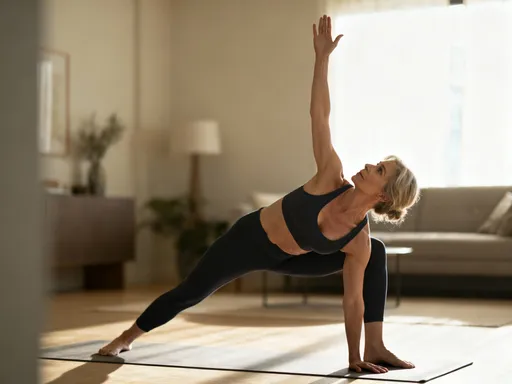
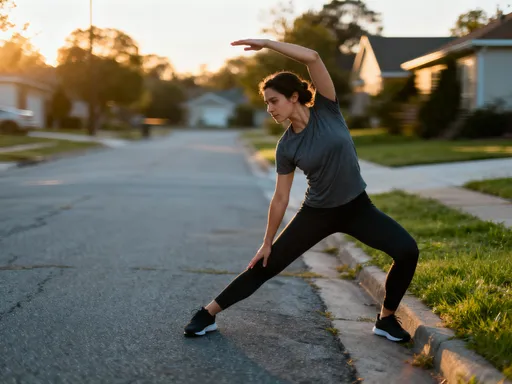
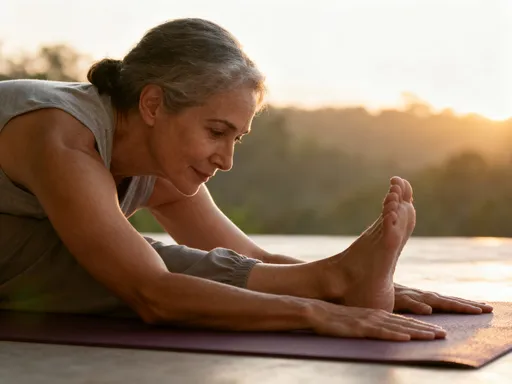
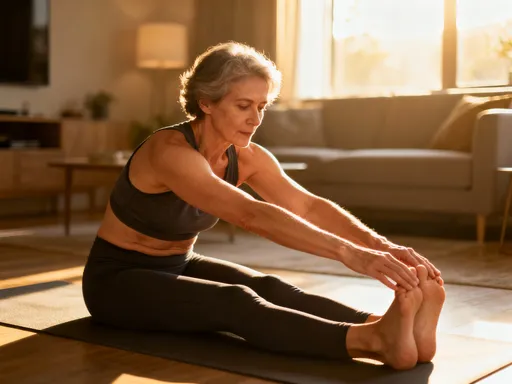
Mobility work is often overlooked but equally important. As we age, connective tissues stiffen, joints lose range of motion, and posture can deteriorate. Daily stretching, yoga, or dynamic movement drills help maintain flexibility, reduce stiffness, and prevent injuries. Unlike intense stretching routines, mobility work focuses on functional movement — the ability to reach, bend, twist, and move with ease. Together, these three pillars form a balanced, science-backed approach to aging well — one that prioritizes function, independence, and quality of life.
Strength Training: Preserving Muscle, Bone, and Metabolism
Strength training is not just for bodybuilders or young athletes — it is one of the most important tools for healthy aging, especially for women. After 30, the body naturally begins to lose muscle mass, a process that speeds up after menopause due to declining hormone levels. Without intervention, this loss can lead to frailty, reduced mobility, and a slower metabolism. But resistance exercise has been shown to counteract these effects. Studies from the Mayo Clinic indicate that regular strength training can increase muscle mass, improve balance, and even reduce the risk of osteoporosis by stimulating bone growth.
The benefits of strength training go beyond physical appearance. Muscle is metabolically active tissue, meaning it burns calories even at rest. The more muscle you have, the higher your resting metabolic rate, making it easier to maintain a healthy weight. Additionally, strong muscles support joint health, reducing strain on knees, hips, and the lower back. This is especially important as we age, when joint pain and arthritis become more common. By building strength, you create a protective framework that allows you to move with confidence and independence.
For beginners, the idea of lifting weights can feel intimidating. But strength training doesn’t require heavy dumbbells or a gym membership. Bodyweight exercises like wall push-ups, chair squats, and step-ups are effective and safe starting points. The key is to focus on proper form rather than how much weight you can lift. Starting with two sessions per week, gradually increasing intensity as strength improves, allows the body to adapt safely. Resistance bands are another excellent tool — portable, affordable, and versatile for targeting different muscle groups.
Over time, consistent strength training builds more than muscle — it builds resilience. Women who engage in regular resistance exercise report feeling stronger, more stable, and more capable in their daily lives. Whether carrying groceries, playing with grandchildren, or simply getting up from a chair, the functional benefits are clear. Strength training is not about achieving a certain look; it’s about maintaining the ability to live fully and independently, no matter your age.
Cardio That Counts: Finding Sustainable Heart-Healthy Movement
Cardiovascular exercise is essential for maintaining heart health, lung function, and overall endurance. But not all cardio is created equal when it comes to aging well. The goal is not to push yourself to exhaustion, but to find forms of movement that are sustainable, enjoyable, and joint-friendly. Moderate aerobic activity, such as brisk walking, cycling, or water aerobics, provides steady benefits over time. These activities improve circulation, lower blood pressure, and enhance the body’s ability to use oxygen efficiently — all of which contribute to long-term vitality.
One of the most accessible and effective forms of cardio is walking. A 2019 study in the British Journal of Sports Medicine found that walking at a moderate pace for 30 minutes a day significantly reduced the risk of heart disease and premature death. The beauty of walking is that it requires no special equipment, can be done almost anywhere, and is gentle on the joints. Adding slight inclines or increasing pace can gradually improve intensity without strain. For those with access to pools, water walking or swimming offers similar cardiovascular benefits with even less impact on the body.
High-intensity interval training (HIIT) is another option that has gained attention for its anti-aging effects. HIIT involves short bursts of intense effort followed by recovery periods. Research shows that this type of training can improve mitochondrial function, boost metabolism, and enhance insulin sensitivity more efficiently than steady-state cardio. However, it’s important to approach HIIT with caution, especially for beginners or those with joint issues. Starting with modified versions — such as alternating between one minute of fast walking and two minutes of slow walking — allows the body to adapt safely.
The key to long-term success is consistency. The best cardio routine is one you can stick with for years. That means choosing activities you enjoy and that fit into your lifestyle. Whether it’s dancing in your living room, taking a fitness class, or walking with a friend, the most important factor is regular movement. When cardio becomes a natural part of your day, it stops feeling like a chore and starts feeling like a gift to your future self.
Mobility & Flexibility: The Forgotten Key to Aging Gracefully
Flexibility and mobility are often neglected in fitness routines, yet they are essential for maintaining independence and preventing injury as we age. Stiffness is not an inevitable part of getting older — it is largely the result of inactivity. When muscles and connective tissues are not regularly moved through their full range of motion, they begin to shorten and tighten. This can lead to poor posture, reduced balance, and increased risk of falls. Simple daily practices like stretching, yoga, or mobility drills can counteract these effects and keep the body moving smoothly.
The hips, spine, and shoulders are common areas of restriction. Tight hip flexors from prolonged sitting can contribute to lower back pain. A stiff spine limits twisting and bending, making everyday tasks harder. Stiff shoulders affect everything from reaching overhead to driving safely. Targeted mobility exercises can address these areas effectively. For example, gentle hip openers like seated figure-four stretches, cat-cow movements for spinal flexibility, and shoulder rolls or arm circles can be done in just a few minutes each day.
Yoga is a particularly effective way to improve both flexibility and balance. A 2021 study in Complementary Therapies in Clinical Practice found that women who practiced yoga twice a week for 12 weeks experienced significant improvements in flexibility, balance, and perceived well-being. The slow, controlled movements of yoga also promote mindfulness and reduce stress — additional benefits that support healthy aging. Chair yoga is an excellent option for those with limited mobility or joint pain, offering the same benefits in a more accessible format.
Beyond physical improvements, regular mobility work enhances circulation, reduces muscle tension, and promotes better sleep. It also supports joint health by lubricating the cartilage and maintaining synovial fluid production. Unlike intense workouts, mobility exercises can be done daily, even on rest days, without strain. Over time, the cumulative effect is a body that moves more freely, with less pain and greater ease. This is not about achieving perfect splits or advanced poses — it’s about preserving the ability to move without discomfort, to bend, reach, and twist with confidence.
Putting It All Together: A Weekly Anti-Aging Exercise Blueprint
Creating a sustainable anti-aging exercise plan means combining strength, cardio, and mobility in a way that fits your life. The goal is not perfection, but consistency. A balanced weekly schedule might include two days of strength training, two to three days of aerobic activity, and daily mobility work. Each session can last 30 to 60 minutes, depending on your schedule and energy levels. The key is to make movement a non-negotiable part of your routine, like brushing your teeth or eating meals.
A sample week could look like this: Monday and Wednesday for strength training, focusing on major muscle groups with bodyweight exercises or light weights. Tuesday and Thursday for cardio — perhaps a 30-minute walk in the morning or a cycling session in the evening. Friday could be a lighter day, combining gentle yoga with stretching. Weekends offer flexibility — a family hike, a dance session at home, or extra time for mobility work. The exact timing and order can be adjusted based on your preferences and commitments.
Progression is important, but so is listening to your body. Some days you may feel strong and energized; other days, rest is the better choice. It’s okay to modify exercises, shorten workouts, or take extra recovery days when needed. The focus should always be on how you feel, not how much you accomplish. Over time, small, consistent efforts add up to significant changes — more energy, better sleep, improved mood, and greater physical resilience.
For those returning to exercise after a long break, starting slowly is essential. Begin with 10 to 15 minutes of activity and gradually increase duration and intensity. Consulting a physical therapist or certified trainer can provide personalized guidance, especially if you have existing joint issues or health concerns. The most important thing is to begin — not with a dramatic overhaul, but with a single step, a single stretch, a single decision to move with purpose.
Aging Is Inevitable — But How You Age Is a Choice
You can’t stop the clock, but you can influence how it affects your body. Aging is a natural part of life, but the rate at which we decline is not fixed. Through consistent, science-backed exercise, it is possible to preserve strength, energy, and independence well into later years. The right movement routine doesn’t promise to erase wrinkles or turn back time — it promises something far more valuable: the ability to live fully, actively, and with confidence. This is not about looking younger; it’s about feeling capable, resilient, and in control of your health.
The journey of healthy aging begins with awareness and a willingness to act. Every time you choose to move — to lift, to walk, to stretch — you are investing in your future self. You are telling your body that it matters, that it deserves care, and that it is still capable of growth and change. The benefits extend beyond the physical; they touch every aspect of life — your mood, your relationships, your sense of purpose. When you feel strong and energized, you show up more fully for your family, your work, and yourself.
There is no single “right” way to age well, but movement is a common thread among those who do. Whether you start today or next week, the decision to prioritize your health through exercise is one of the most powerful choices you can make. It is not about perfection, but about progress. It is not about age, but about vitality. And it is never too late to begin.