How I Bounced Back with This No-Fuss Recovery Routine
Recovering from daily burnout doesn’t have to mean extreme workouts or strict diets. After months of feeling drained, I discovered that gentle, consistent movement made all the difference. This isn’t about pushing harder—it’s about healing smarter. If you're tired of feeling run down, this simple exercise plan might be exactly what your body’s been asking for. Unlike aggressive fitness trends that demand time, energy, and willpower most of us don’t have, this approach meets you where you are—on tired legs, with a full schedule, and a mind that needs peace as much as your body needs relief. It’s not flashy, but it works.
The Hidden Cost of Constant Hustle
Modern life often equates productivity with worth, creating a cycle where rest feels like failure. Many women between 30 and 55 find themselves caught in a daily grind—juggling careers, family responsibilities, household management, and personal obligations—often at the expense of their own well-being. The result is a quiet but growing epidemic of chronic fatigue, tension headaches, disrupted sleep, and emotional exhaustion. This isn’t just stress; it’s a physiological imbalance caused by prolonged activation of the body’s stress response system.
When the body remains in a state of constant alert, it produces elevated levels of cortisol, the primary stress hormone. Over time, high cortisol disrupts sleep patterns, suppresses immune function, increases inflammation, and contributes to muscle stiffness and joint discomfort. Even with adequate rest, many people still wake up feeling unrefreshed. That’s because rest alone does not reverse the cumulative wear and tear on the body’s systems. The missing piece for many is active recovery—deliberate, low-effort movement that supports the body’s natural repair processes.
Passive rest—such as sleeping or sitting on the couch—has its place, but it doesn’t stimulate circulation, release muscle tension, or encourage lymphatic drainage the way gentle movement does. Without some form of physical engagement, metabolic waste can accumulate in tissues, leading to persistent soreness and sluggishness. Active recovery bridges the gap between doing too much and doing nothing, offering a middle path that honors both effort and healing.
What Is Body Recovery (And Why It’s Not Just for Athletes)?
Body recovery refers to the physiological process of restoring energy, repairing tissues, reducing inflammation, and rebalancing hormonal systems after physical or mental exertion. While often associated with elite athletes or post-injury rehabilitation, recovery is a universal need. Every person who moves, thinks, breathes, and feels experiences daily wear on their body. The difference lies in how we respond to that wear.
Recovery is not simply the absence of activity; it’s an active state of regeneration. During recovery, muscles repair micro-tears, the nervous system resets, and cells clear out metabolic byproducts. Sleep supports this process, but movement enhances it. For example, light activity increases blood flow, delivering oxygen and nutrients to tissues while helping remove lactic acid and other waste products. This is why many people feel better after a short walk than after lying still for hours.
Common signs that your body needs recovery include persistent low energy, morning stiffness, difficulty concentrating, irritability, and frequent minor aches. These symptoms are not just inconveniences—they’re signals. Ignoring them can lead to a deeper state of fatigue, reduced resilience, and increased susceptibility to illness. The goal of recovery is not to eliminate effort but to make effort sustainable. By integrating recovery practices into daily life, you allow your body to keep up with demands without breaking down.
It’s important to understand that recovery is not a sign of weakness. On the contrary, it reflects wisdom—a recognition that long-term health depends on balance. Just as a garden needs both sunlight and water, the human body needs both activity and restoration. When recovery becomes part of your routine, you stop fighting your body and start working with it.
Why Traditional Exercise Often Backfires When You’re Already Drained
Most mainstream fitness advice centers around intensity—burn more calories, push harder, go faster. While these approaches can be effective for certain goals, they often backfire when applied to someone already operating in a state of depletion. High-intensity workouts, such as intense cardio or heavy weight training, trigger a significant cortisol response. For someone already stressed, this additional hormonal load can delay recovery rather than support it.
When the body is fatigued, it lacks the reserves to handle additional strain. Pushing through exhaustion with vigorous exercise may lead to short-term satisfaction but often results in prolonged soreness, disrupted sleep, and even mood swings. This creates a frustrating cycle: you exercise to feel better, but end up feeling worse. Over time, this pattern can evolve into overtraining syndrome—a condition marked by persistent fatigue, decreased performance, and increased injury risk—even in non-athletes who simply do too much without adequate recovery.
The cultural obsession with “grind culture” often overlooks the value of gentleness. The idea that progress requires pain is outdated and, for many, harmful. Sustainable health is not built through punishment but through consistency and self-awareness. A more effective approach recognizes that healing happens during rest and low-stress activity, not during maximal effort. This doesn’t mean avoiding all challenging movement, but rather prioritizing recovery when the body signals it’s needed.
Shifting from a mindset of “no pain, no gain” to one of “listen and respond” allows for greater long-term progress. Instead of measuring success by how hard you worked, you begin to measure it by how well you feel. This subtle shift in focus can transform your relationship with movement, turning it from a chore into a form of self-care.
The Core Principles of a Simple Recovery-Focused Exercise Plan
An effective recovery-focused exercise plan rests on three foundational pillars: low impact, consistency, and mindfulness. These principles are designed to support the body without overwhelming it, making them ideal for individuals managing fatigue, stress, or the physical demands of daily life.
The first pillar, low impact, emphasizes movements that do not strain joints or elevate heart rate excessively. Examples include walking, gentle stretching, tai chi, and breathing exercises. These activities stimulate circulation and joint mobility without triggering a stress response. Because they are accessible and sustainable, they can be practiced daily, even on low-energy days. The goal is not to burn calories but to enhance internal function—improving blood flow, supporting lymphatic drainage, and relaxing the nervous system.
Consistency is the second pillar. Unlike intense workouts that require recovery days, low-impact recovery exercises can be done regularly, even twice a day if desired. The cumulative effect of small, repeated efforts far outweighs the benefit of occasional intense sessions. Research in behavioral science shows that habits formed through regular, manageable actions are more likely to persist. By choosing a routine that fits easily into your day, you increase the likelihood of long-term adherence.
The third pillar, mindfulness, involves paying attention to how your body feels during and after movement. This means tuning in to subtle cues—such as changes in breathing, muscle tension, or energy levels—rather than focusing on external metrics like time or distance. Mindful movement fosters a deeper connection between mind and body, reducing mental fatigue and promoting emotional balance. Practices like diaphragmatic breathing or body scans can be integrated into the routine to enhance this effect.
Together, these principles create a framework that is both flexible and effective. You don’t need special equipment, a gym membership, or hours of free time. What matters is showing up with intention and allowing your body to respond at its own pace.
My Daily 15-Minute Recovery Routine (And How It Changed Everything)
After months of feeling constantly drained, I developed a simple 15-minute routine that I now practice every morning. It doesn’t require any special skills or equipment, and I can do it in my living room while the coffee brews. The routine consists of three components: a 5-minute walk, 5 minutes of dynamic stretching, and 5 minutes of breathing exercises.
The walk is done indoors or outdoors, depending on the weather. I move at a slow, comfortable pace, focusing on my posture and breathing. This gentle movement increases circulation, wakes up the muscles, and stimulates the lymphatic system, which helps remove toxins and reduce inflammation. Even on days when I don’t feel like moving, I commit to just two minutes—and almost always end up doing the full five.
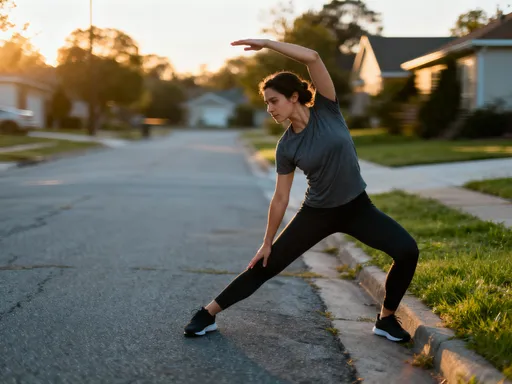
The dynamic stretching phase includes movements like arm circles, shoulder rolls, neck rolls, torso twists, and gentle leg swings. Unlike static stretching, which involves holding a position, dynamic stretching uses controlled motion to warm up joints and improve range of motion. These movements release tension in areas that commonly hold stress—neck, shoulders, lower back—without straining the body. I perform each movement slowly and deliberately, paying attention to how my body feels.
The final 5 minutes are dedicated to diaphragmatic breathing. I sit comfortably with my hands on my abdomen, inhaling deeply through the nose so that my belly rises, then exhaling slowly through the mouth. This type of breathing activates the parasympathetic nervous system, which signals the body to relax and begin repair processes. It also improves oxygen delivery to tissues and reduces mental chatter, setting a calm tone for the day.
Within two weeks of starting this routine, I noticed significant changes. My morning stiffness decreased, my sleep improved, and I felt more emotionally balanced. I wasn’t suddenly full of energy, but I was less drained. Over time, my focus sharpened, and I found it easier to manage daily stressors. The biggest shift was psychological: I began to see movement not as a demand, but as a gift to myself.
How to Make It Stick—Without Motivation Hacks or Perfection
One of the most common reasons people abandon wellness routines is the expectation of immediate results or perfect consistency. The truth is, motivation fades, schedules change, and energy levels fluctuate. Instead of relying on willpower, the key to making a recovery routine stick is integration—embedding it into your existing habits and environment.
One effective strategy is habit stacking: pairing the new behavior with an existing one. For example, doing the 15-minute routine right after making your morning coffee or before brushing your teeth at night creates a natural cue. Over time, the existing habit triggers the new one without requiring conscious effort. Another helpful tool is environmental design—placing your yoga mat in view or setting a gentle reminder on your phone—to reduce friction and make starting easier.
It’s also important to redefine success. Instead of measuring progress by how long or how intensely you move, focus on consistency and presence. Did you show up? Did you listen to your body? These are the real indicators of progress. On days when you only do five minutes, that still counts. In fact, doing a shortened version on a tough day often preserves the habit better than skipping it altogether.
Common obstacles include lack of time, low energy, and skepticism. For time, remember that 15 minutes is less than 1% of your day—less than the time spent scrolling on a phone. For low energy, start with just one component, like breathing or stretching, and build from there. For skepticism, approach it as an experiment: try it consistently for two weeks and observe how you feel, without judgment. The goal is not perfection, but progress.
When to Seek Professional Guidance and What to Watch For
While a gentle recovery routine is safe for most people, it’s important to recognize when symptoms may require professional evaluation. Persistent pain, unexplained fatigue, dizziness, or sudden changes in mobility should not be ignored. These could indicate underlying medical conditions such as hormonal imbalances, nutritional deficiencies, or musculoskeletal issues that need targeted care.
If you have a chronic health condition—such as arthritis, heart disease, or fibromyalgia—consulting a healthcare provider before starting any new routine is advisable. A physical therapist can help tailor movements to your specific needs, ensuring safety and effectiveness. Occupational therapists and certified wellness coaches may also provide valuable support in building sustainable habits.
This recovery plan is not intended to replace medical treatment but to complement it. Think of it as part of a broader self-care strategy that includes proper nutrition, hydration, sleep, and emotional well-being. When used alongside professional guidance, it can enhance recovery, improve quality of life, and empower you to take an active role in your health.
Pay attention to red flags such as increased pain during or after movement, swelling, or difficulty breathing. These signals mean it’s time to pause and seek advice. Trusting your body also means knowing when to ask for help. True self-care includes both self-reliance and the wisdom to reach out when needed.
True health isn’t built through extreme measures but through small, consistent choices that honor your body’s needs. This recovery-focused exercise plan isn’t about achieving peak performance—it’s about reclaiming daily energy, resilience, and well-being. By shifting from strain to support, you’re not just recovering; you’re rebuilding a healthier, more balanced life. The most powerful changes often come not from pushing harder, but from caring deeper. And sometimes, the bravest thing you can do is simply listen.