How I Finally Tamed My Weight Without Obsessing Over the Scale
For years, managing my weight felt like a constant battle—crash diets, guilt after meals, and never feeling “good enough.” But when I started focusing on health standards, not just numbers, everything changed. It wasn’t about perfection; it was about progress. I learned that sustainable weight management is less about restriction and more about building daily habits that align with long-term well-being. This is what actually worked for me. The shift didn’t happen overnight, but once I stopped treating my body like an enemy and began seeing it as a partner in health, the results followed—not just on my clothes, but in how I felt every morning when I woke up. Energy replaced exhaustion, confidence replaced self-doubt, and for the first time in years, I wasn’t dreading the mirror.
The Breaking Point: When Weight Management Became Personal
Like many women in their 30s and beyond, I found myself caught in a cycle of weight gain and loss that felt impossible to break. After each child, the extra pounds settled more easily and left more slowly. I tried every popular diet—low carb, juice cleanses, meal replacements—each promising fast results. But the relief was always temporary. Within months, sometimes weeks, the weight returned, often with a few extra pounds as a souvenir. What began as a desire to look better in my clothes gradually became a deeper concern about how I felt: tired all the time, short of breath climbing stairs, and increasingly anxious about my annual physicals.
The turning point came during a routine check-up when my doctor mentioned elevated blood pressure and borderline blood sugar levels. There was no alarm in her voice, but the message was clear: these weren’t just numbers on a chart—they were early warning signs of chronic conditions like type 2 diabetes and heart disease. For the first time, I saw my weight not as a cosmetic issue but as a health signal. My body wasn’t failing me; it was asking for better care. That moment shifted my focus from fitting into a dress size to protecting my long-term vitality. I realized I didn’t need another diet—I needed a different relationship with my body and my daily choices.
This emotional pivot was crucial. Letting go of the idea that I had to be thin to be worthy allowed me to approach change from a place of self-respect rather than shame. I stopped asking, “How can I lose 20 pounds fast?” and started asking, “What can I do today to feel stronger, healthier, and more in control?” This mindset laid the foundation for real, lasting progress—one that wasn’t dependent on the scale but on how I lived each day.
Redefining Success: What Healthy Weight Really Means
One of the biggest obstacles to sustainable weight management is misunderstanding what a healthy weight actually is. For too long, we’ve equated it with a number on a scale or a size on a tag. But health isn’t measured by jeans or mirrors—it’s reflected in energy levels, blood work, joint mobility, and mental clarity. A person can be within a so-called “ideal” weight range and still face serious metabolic risks, just as someone outside that range can be metabolically healthy. The focus should not be on appearance-based goals but on functional health.
Research shows that body composition—how much muscle versus fat your body carries—matters more than total weight. Muscle is more metabolically active, meaning it burns more calories at rest and supports better insulin sensitivity. That’s why two people of the same weight can have vastly different health profiles. Waist circumference, another key indicator, helps assess visceral fat, which surrounds internal organs and is strongly linked to heart disease and diabetes. A waist measurement over 35 inches for women signals higher risk, regardless of overall weight.
Equally important are markers like blood pressure, cholesterol levels, and fasting glucose. These metrics offer a clearer picture of internal health than the scale ever could. When I began tracking these through regular check-ups, I saw improvements long before any dramatic weight loss. My blood pressure normalized, my energy improved, and my doctor noted better lab results—all while I had only lost a modest amount of weight. This reinforced that my efforts were working, even if the scale wasn’t moving quickly.
Ultimately, healthy weight is about balance and resilience. It’s the ability to move without pain, to recover from illness more easily, and to enjoy daily life with vitality. By redefining success this way, I freed myself from the obsession with numbers and focused instead on building habits that supported true well-being. Weight became a side effect of health, not the sole goal.
Mindset Shift: From Quick Fixes to Lasting Habits
The failure of most diets isn’t due to lack of willpower—it’s due to flawed design. Crash diets and extreme restrictions are built for short-term results, not long-term sustainability. They often lead to nutrient deficiencies, slowed metabolism, and psychological burnout. The real problem is the mindset behind them: the belief that big, dramatic changes are necessary to see progress. But in reality, lasting transformation comes not from intensity, but from consistency.
I learned this the hard way. After each failed diet, I blamed myself for “falling off the wagon.” But the truth was, the wagon was never built for the long haul. It was too rigid, too restrictive, and too disconnected from real life. What finally worked was shifting my focus from quick fixes to small, repeatable actions I could maintain even on busy, stressful days. Instead of vowing to exercise for an hour every day, I committed to 10 minutes of movement. Instead of cutting out all carbs, I started by adding more vegetables to my meals. These tiny changes felt manageable, and because they were, I stuck with them.
Over time, these small habits compounded. Ten minutes of walking became 20, then 30. Adding vegetables led to cooking more at home, which improved portion control and reduced processed food intake. I wasn’t chasing perfection—I was building momentum. And with each small win, my confidence grew. I began to see myself not as someone struggling with weight, but as someone who was capable of making healthy choices, even when it wasn’t easy.
Patience and self-compassion were essential. There were days when I ate too much at a family gathering or skipped a workout. In the past, these moments would have derailed me completely. But now, I learned to treat them as part of the process, not proof of failure. I reminded myself that one meal or one day doesn’t define my health. What matters is the pattern over time. This gentle, forgiving approach made it easier to get back on track without guilt or shame.
My 3 Non-Negotiable Daily Habits (That Actually Stick)
After years of trial and error, I identified three daily habits that made the biggest difference—not because they’re extreme, but because they’re sustainable. These aren’t rigid rules, but flexible practices that adapt to life’s unpredictability. They’ve become non-negotiable because they directly support my energy, metabolism, and emotional well-being.
The first is mindful eating. This means slowing down, chewing thoroughly, and paying attention to hunger and fullness cues. It’s easy to eat on autopilot—standing at the counter, scrolling on a phone, or rushing between tasks. But when I eat mindfully, I notice when I’m truly full, which helps prevent overeating. I also enjoy my food more. I started with one meal a day—usually dinner—where I sit at the table, turn off the TV, and focus on the taste and texture of my food. This simple act improved my digestion and reduced evening snacking.
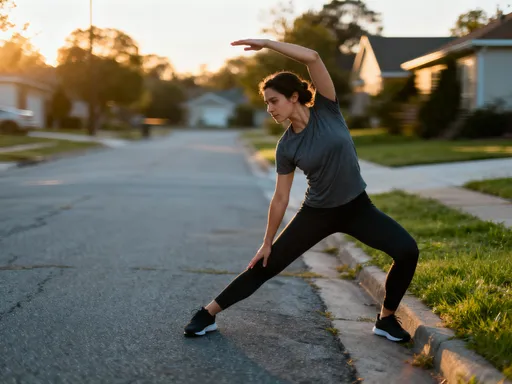
The second habit is movement integration. I no longer rely on long gym sessions to stay active. Instead, I build movement into my day: a 20-minute walk after dinner, taking the stairs at work, parking farther from store entrances, or doing a few stretches during TV commercials. These small bursts add up. Studies show that regular low-intensity activity throughout the day supports metabolic health, improves circulation, and helps regulate appetite. On days when I can’t do structured exercise, these mini-movements keep my body engaged and my energy steady.
The third is sleep hygiene. I used to underestimate the role of sleep in weight management. But poor sleep disrupts hormones that control hunger—increasing ghrelin (which stimulates appetite) and decreasing leptin (which signals fullness). It also raises cortisol, a stress hormone linked to abdominal fat storage. Now, I prioritize a consistent bedtime, avoid screens an hour before sleep, and keep my bedroom cool and dark. Even on chaotic days, I protect my sleep because I’ve seen how it affects my cravings, mood, and motivation the next day.
These habits aren’t flashy, but they’re powerful. They don’t require special equipment, expensive programs, or perfect conditions. They work because they fit into real life, not the other way around.
Eating to Fuel, Not to Punish: A Smarter Approach to Food
My relationship with food used to be defined by guilt and rules. I labeled foods as “good” or “bad,” which led to cycles of restriction and bingeing. The shift came when I started thinking of food as fuel—not just for my body, but for my daily responsibilities and joys. I asked myself: Does this meal give me the energy to play with my kids, focus at work, and feel good all afternoon? That simple question changed everything.
I began building meals around nutrient density—foods that offer the most vitamins, minerals, and fiber per calorie. This means plenty of vegetables, lean proteins like chicken, fish, beans, and eggs, whole grains like oats and quinoa, and healthy fats from avocados, nuts, and olive oil. These foods keep me full longer and stabilize my blood sugar, which reduces cravings. I use a simple plate guideline: half the plate vegetables, one-quarter protein, one-quarter whole grains or starchy vegetables. It’s flexible, easy to remember, and doesn’t require measuring or tracking.
Hydration is another key piece. Sometimes thirst is mistaken for hunger, leading to unnecessary snacking. I keep a water bottle with me and aim for at least eight glasses a day. If plain water feels boring, I add lemon, cucumber, or a splash of 100% fruit juice. Herbal teas also count and can help with evening relaxation.
And yes, I still enjoy treats—dark chocolate, a slice of birthday cake, a favorite dessert now and then. The difference is, I eat them without guilt. Deprivation only leads to rebound eating. Instead, I practice moderation and mindfulness: savoring a small portion slowly, enjoying every bite, and stopping when satisfied. This approach makes treats feel special, not shameful, and prevents the “all-or-nothing” cycle that derailed me in the past.
Movement That Fits Life—Not the Other Way Around
For years, I believed that effective exercise had to be intense, structured, and time-consuming. I joined gyms I never used, bought equipment that gathered dust, and felt guilty every time I skipped a workout. The truth is, movement doesn’t have to be perfect to be beneficial. In fact, everyday activity—what experts call non-exercise physical activity (NEPA)—plays a crucial role in weight management and overall health.
Walking is one of the most powerful tools. It’s low-impact, free, and accessible to nearly everyone. A brisk 30-minute walk most days supports heart health, improves insulin sensitivity, and boosts mood through endorphin release. I started by walking around the block after dinner. Now, it’s a non-negotiable part of my evening routine. On weekends, I take longer walks in parks or nature trails, which also reduce stress and improve mental clarity.
Other forms of daily movement matter too. Standing instead of sitting, gardening, dancing while cooking, or playing with pets all contribute to calorie expenditure and muscle engagement. I use a pedometer to track my steps, aiming for 7,000 to 10,000 a day—not as a rigid goal, but as a gentle nudge to move more. On days when I’m stuck at a desk, I set a timer to stand and stretch every hour.
The goal isn’t to burn as many calories as possible in one session, but to keep the body active throughout the day. This steady movement supports metabolism, reduces inflammation, and improves sleep quality. More importantly, it reconnects me with my body in a positive way—reminding me that movement is a gift, not a punishment.
Staying on Track: Monitoring Progress the Right Way
One of the most damaging habits I had was weighing myself daily. Each morning, the number on the scale dictated my mood. A slight increase sent me into panic mode; a decrease brought temporary relief. But the scale is a poor measure of progress. It can’t distinguish between fat, muscle, or water weight, and it’s influenced by hormones, hydration, and even the time of day.
I stopped daily weighing and instead focus on non-scale victories. My clothes fit better. I can walk up hills without getting winded. I sleep more soundly and wake up feeling refreshed. My mental clarity has improved, and I feel more emotionally balanced. These are real indicators of health that the scale will never capture.
I also review my lab results from annual physicals. Seeing improvements in cholesterol, blood sugar, and liver function gives me objective proof that my habits are working. I schedule periodic check-ins with my doctor to discuss any concerns and adjust my approach if needed. This professional guidance ensures I’m not guessing—I’m making informed decisions based on my unique health profile.
Progress isn’t linear. There are plateaus and setbacks. But by tracking the right metrics—energy, strength, mood, and clinical markers—I stay motivated even when the scale stalls. I’ve learned to trust the process and honor the small wins. This approach keeps me focused on long-term health, not short-term appearances.
Weight management isn’t about chasing a number—it’s about honoring your body’s need for balance, energy, and long-term health. By aligning daily choices with real health standards, not trends or shame, lasting change becomes possible. This journey taught me that small, consistent actions build a healthier life. And while everyone’s path is different, focusing on well-being—not perfection—is what truly transforms outcomes. Always consult a healthcare provider to tailor strategies safely.