How I Finally Made Weight Management Stick — Simple Changes That Actually Work
Weight management used to feel impossible — I tried every trend, only to regain the weight. As someone managing a chronic condition, I realized quick fixes don’t work. This is about small, science-backed shifts that fit real life. No magic pills, just practical steps. I’m sharing what helped me feel better and stay consistent. It’s not perfect, but it’s progress — and that’s what health optimization really means.
The Wake-Up Call: When Weight Became a Health Concern
For years, weight was just a number on the scale — one I avoided, ignored, or fought with extreme diets. But everything changed when a routine check-up revealed rising blood pressure and elevated blood sugar levels. At that moment, I wasn’t just struggling with appearance; I was facing real health risks. As a woman in her 40s managing prediabetes, I could no longer treat weight as a cosmetic issue. It was a signal — a warning sign that my body needed better care.
Like many, I once believed that weight loss was about willpower. I thought if I just ate less and pushed harder, I’d succeed. But the cycle was always the same: restrictive eating, temporary results, emotional burnout, and inevitable regain. The truth is, most people approach weight loss with urgency, not sustainability. They adopt drastic measures — juice cleanses, 1,200-calorie diets, punishing workouts — that are impossible to maintain. These short-term strategies often lead to metabolic slowdown, muscle loss, and frustration. What I’ve learned is that long-term weight management isn’t about intensity; it’s about consistency and alignment with daily life.
The turning point came when I shifted from asking, “How fast can I lose weight?” to “What habits can I live with for the rest of my life?” This mindset change was subtle but transformative. Instead of aiming for a rapid transformation, I focused on building behaviors that supported my energy, mood, and overall well-being. I stopped seeing food as the enemy and movement as punishment. I began to view health as a series of small, repeatable choices — not a destination to reach and abandon. That’s when progress finally stuck.
Understanding the Link: Weight and Chronic Disease
Excess weight isn’t just a number on a scale — it’s a contributor to a range of chronic health conditions. Research consistently shows that carrying extra weight, especially around the abdomen, increases the risk of type 2 diabetes, hypertension, heart disease, and joint problems like osteoarthritis. Fat tissue is metabolically active, meaning it releases hormones and inflammatory substances that disrupt insulin function, raise blood pressure, and strain the cardiovascular system. For someone already managing a condition like prediabetes, this creates a dangerous feedback loop.
But here’s the encouraging part: even modest weight loss can have a powerful impact. Studies show that losing just 5% to 10% of body weight can significantly improve insulin sensitivity, lower blood pressure, reduce liver fat, and decrease inflammation. For a 180-pound woman, that’s only 9 to 18 pounds — a realistic goal when approached sustainably. These changes aren’t just numbers on a lab report; they translate into real-life benefits like more energy, better sleep, improved mobility, and reduced medication dependence.
What’s often overlooked is the difference between losing weight and optimizing health. Many people chase a number, only to regain weight once the diet ends. But when the goal shifts from weight loss to health improvement — better blood sugar control, stronger joints, improved breathing — the motivation becomes intrinsic. You’re not doing it to look a certain way; you’re doing it to feel better every day. This shift in focus makes habits easier to maintain because they’re tied to meaningful outcomes, not arbitrary goals.
Mindset Shift: From Overwhelm to Action
One of the biggest barriers to lasting change isn’t food or fitness — it’s mindset. For years, I carried guilt and shame about my weight. Every failed diet reinforced the belief that I lacked discipline. But the truth is, failure wasn’t due to weakness; it was due to strategy. When we set unrealistic expectations — like losing 20 pounds in a month or never eating dessert again — we’re setting ourselves up for disappointment. The emotional toll of repeated attempts can lead to burnout, making it harder to start again.
What helped me most was adopting a beginner’s mindset — approaching health with curiosity rather than judgment. Instead of asking, “Why can’t I stick to this?” I began asking, “What can I learn from this attempt?” This subtle shift reduced pressure and opened space for experimentation. I started to see setbacks not as failures, but as feedback. If I overate at dinner, I didn’t label myself as “bad” — I asked what led to it. Was I overly hungry? Stressed? Distracted? This compassionate approach made it easier to adjust without giving up.
Another powerful shift was focusing on behaviors instead of outcomes. Instead of measuring success by the scale, I measured it by consistency: Did I drink enough water today? Did I move my body? Did I eat a balanced meal? These small wins built confidence over time. Research shows that tracking behaviors, not just weight, increases long-term adherence. When you celebrate showing up — even on hard days — you reinforce identity: “I am someone who takes care of myself.” That belief, more than any diet, is what sustains change.
Start Small: Building Sustainable Daily Habits
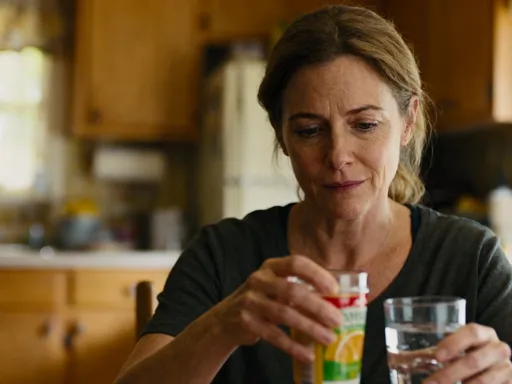
Big changes often fail because they require too much willpower at once. What works better is starting small — so small that it feels almost too easy. The idea isn’t to overhaul your life overnight, but to build momentum through tiny, repeatable actions. For example, instead of vowing to “exercise more,” start with a five-minute walk after dinner. Instead of banning sugar, swap one sugary drink a day for water or herbal tea. These micro-habits seem minor, but they create a foundation for lasting change.
Consistency beats intensity every time. A 10-minute daily walk may not burn as many calories as an hour at the gym, but it’s more likely to become routine. And over time, those 10 minutes add up — physically and psychologically. Small wins build confidence, which fuels further action. The key is to make the habit so simple that skipping it feels harder than doing it. This is the principle behind the “two-minute rule”: if a new habit can be done in two minutes or less, it’s much more likely to stick.
Environment design is another powerful tool. Your surroundings shape your choices more than willpower ever will. If chips are on the counter, you’ll eat them. If fruit is visible and ready to eat, you’re more likely to choose it. Simple changes — like keeping a water bottle on your desk, placing walking shoes by the door, or prepping vegetables on weekends — reduce friction and make healthy choices automatic. Habit tracking, whether with a journal or an app, also increases awareness and accountability. Seeing a streak of small successes can be incredibly motivating, especially during plateaus.
Food Without Fear: Eating for Energy and Balance
For too long, I viewed food through the lens of restriction. I’d follow strict diets that eliminated entire food groups, only to binge later. What changed was learning to eat for balance, not deprivation. The goal isn’t to eat perfectly — it’s to fuel your body with foods that provide energy, satisfaction, and nutrients. This means including protein, fiber, and healthy fats in every meal, not because of a rigid rule, but because they keep you full, stabilize blood sugar, and support long-term health.
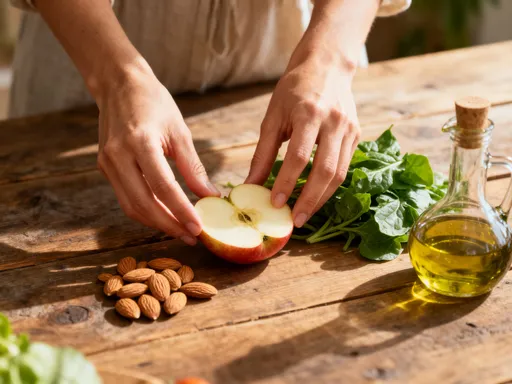
A simple meal structure can guide choices without counting calories. Start with a source of protein — such as eggs, beans, chicken, or tofu — to support muscle and satiety. Add plenty of vegetables or fruit for fiber and vitamins. Include a small amount of healthy fat — like avocado, olive oil, or nuts — to enhance flavor and absorption of nutrients. This approach naturally balances meals without obsession over portion sizes. It’s not about never eating dessert; it’s about making room for it in a way that doesn’t derail progress.
Cravings and emotional eating are normal. They don’t mean you’ve failed. Often, they signal unmet needs — hunger, stress, boredom, or fatigue. Instead of reacting with guilt, try responding with curiosity. Ask yourself: Am I truly hungry? What do I really need right now? Sometimes, a short walk, a glass of water, or a five-minute breathing exercise can ease the urge. Other times, it’s okay to enjoy a treat mindfully — slowly, without distraction, savoring each bite. This compassionate approach reduces the power of cravings over time because food loses its emotional charge.
Movement That Fits: Exercise Without the Exhaustion
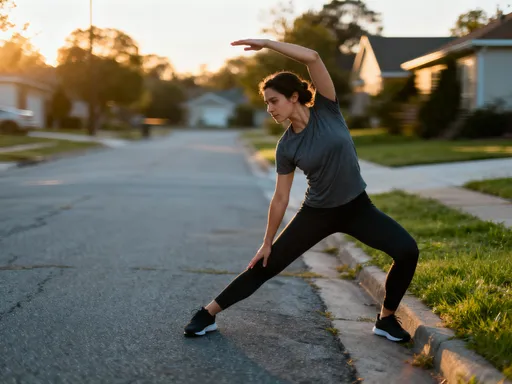
Exercise doesn’t have to mean grueling workouts or gym memberships. For many women juggling family, work, and personal responsibilities, the idea of “working out” can feel overwhelming. But movement is not about punishment — it’s about feeling strong, mobile, and capable. The best exercise is the one you can do consistently, without dread. That might be a 15-minute walk, gentle stretching, or a short home workout while dinner cooks.
Walking, in particular, is one of the most underrated forms of exercise. It’s low-impact, accessible, and highly effective. Research shows that regular walking improves insulin sensitivity, supports heart health, boosts mood, and enhances sleep quality. You don’t need to walk for hours — even 20 to 30 minutes a day makes a difference. The key is to make it enjoyable: listen to a podcast, call a friend, or walk in nature. When movement feels good, you’re more likely to keep doing it.
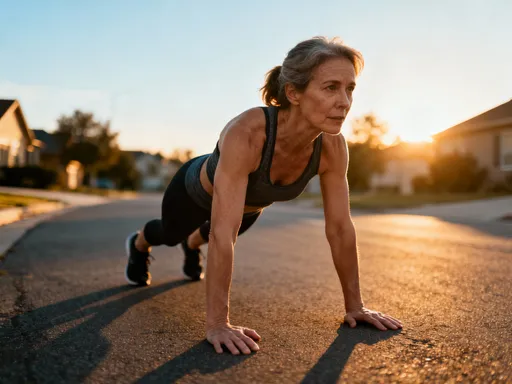
Strength training is another essential but often overlooked component. As we age, we naturally lose muscle mass, which slows metabolism and increases frailty. Lifting light weights, using resistance bands, or doing bodyweight exercises like squats and lunges just two to three times a week can preserve muscle, improve balance, and make daily tasks easier. You don’t need a gym — many effective routines can be done at home. The goal isn’t to look a certain way, but to feel capable and resilient. Even light activity, when done consistently, creates profound long-term benefits.
Tracking Progress Beyond the Scale
The scale can be a misleading measure of progress. Weight fluctuates daily due to water retention, hormones, digestion, and other factors. Focusing solely on it can lead to frustration, especially during plateaus. That’s why non-scale victories are so important. These are the changes you feel — more energy, looser clothes, better sleep, improved mood, or climbing stairs without getting winded. These signs often appear before the scale moves and are more meaningful indicators of health improvement.
Tracking waist circumference, for example, can be more informative than weight. Abdominal fat is closely linked to metabolic risk, so a reduction in waist size — even without major weight loss — signals positive change. Other markers, like improved blood work, better blood pressure, or reduced joint pain, also reflect progress. Keeping a journal to note how you feel each week helps you recognize patterns and stay motivated when the scale stalls.
There’s also value in knowing when to seek professional guidance. A registered dietitian can help tailor nutrition to your needs, especially if you have a chronic condition. A physical therapist or certified trainer can design safe, effective movement plans. Your healthcare provider can monitor biomarkers and adjust treatment as needed. These experts don’t judge — they support. Asking for help isn’t a sign of failure; it’s a sign of commitment to your health.
Conclusion: Health Optimization Is a Journey, Not a Destination
What I’ve learned is that lasting weight management isn’t about perfection — it’s about persistence. It’s the daily choice to drink water instead of soda, to take a walk after dinner, to eat a balanced meal, to rest when tired. These small actions, repeated over time, create lasting change. There will be days when old habits return, when motivation fades, when progress stalls. That’s normal. What matters is returning, not staying perfect.
Health optimization is a lifelong practice, not a finish line. It’s about building a life where healthy choices feel natural, not forced. It’s about self-compassion, patience, and recognizing that every step forward counts — even the tiny ones. You don’t need to transform overnight. You just need to start, keep going, and trust that small shifts add up.
If you’ve tried before and felt discouraged, know this: your past attempts don’t define your future. Each one taught you something. Now, with a focus on sustainable habits, mindset, and self-care, you have the tools to make it stick. You don’t need a miracle — just consistency. And that’s enough.