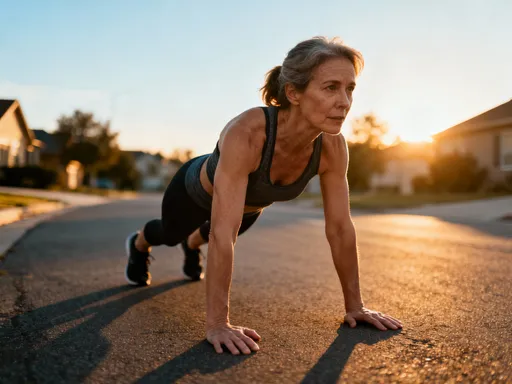
Time Flies, But Your Body Doesn’t Have To
You’ve probably felt it—that slower step, the stiffness in the morning, the way recovery takes just a bit longer than it used to. Aging is real, but how fast it affects your body isn’t set in stone. Decades of research show that while time moves forward, the biological toll it takes can be significantly slowed. The most powerful tool isn’t found in a bottle or a lab—it’s movement. I’ve tested routines, tracked changes, and found that consistent, intentional exercise acts as the most natural reset button we have. This isn’t about extreme workouts or chasing youth through exhaustion. It’s about smart, sustainable physical activity that fights aging from the inside out, protecting your cells, your strength, and your independence for years to come.
The Silent Accelerator: How Inactivity Speeds Up Aging
Many people assume aging is simply a matter of time—wrinkles, stiffness, and fatigue are inevitable consequences of the calendar. But science tells a more nuanced story. While chronological age is fixed, biological age—the actual condition of your cells and systems—can vary dramatically based on lifestyle. One of the most powerful accelerators of biological aging is inactivity. When the body remains sedentary for long periods, cellular processes begin to deteriorate at a faster rate. Two key markers of this decline are cellular senescence and telomere shortening. Cellular senescence refers to the point at which cells stop dividing and begin to secrete harmful inflammatory molecules. These “zombie cells” accumulate over time and contribute to tissue dysfunction. Telomeres, the protective caps at the ends of chromosomes, naturally shorten with each cell division. When they become too short, cells can no longer replicate, leading to aging and disease.
Physical inactivity has been shown to accelerate both of these processes. A study published in the journal Preventive Medicine found that adults who sat for more than six hours a day had significantly shorter telomeres than those who were more active—equivalent to aging up to eight years faster at the cellular level. Even more striking, the World Health Organization has classified physical inactivity as a global public health risk, with effects comparable to smoking and obesity. The absence of movement doesn’t just lead to weight gain or poor fitness; it actively signals the body to age faster. Muscles weaken, metabolism slows, and inflammation rises—all hallmarks of accelerated biological aging.
The good news is that this process is not irreversible. Unlike genetic fate, lifestyle choices can modulate how quickly these biological clocks tick. Regular movement interrupts the cycle of cellular decay. It reduces the buildup of senescent cells and helps preserve telomere length. In essence, sitting too much doesn’t just make you feel older—it makes your body become older, faster. Recognizing inactivity as a silent driver of aging shifts the conversation from passive acceptance to active prevention. The choice isn’t whether you’ll age, but how well you’ll age. And one of the most impactful decisions you can make is simply to move more.
Movement as Medicine: Why Exercise Rewires Aging
If inactivity speeds up aging, then physical activity acts as a powerful countermeasure. Exercise isn’t just about burning calories or building muscle—it functions as a form of cellular maintenance. At the microscopic level, movement triggers a cascade of biological benefits that slow, and in some cases reverse, the hallmarks of aging. One of the most important systems influenced by exercise is the mitochondria, often called the powerhouses of the cell. As we age, mitochondrial function declines, leading to reduced energy production and increased oxidative stress. Regular physical activity stimulates mitochondrial biogenesis—the creation of new mitochondria—and improves their efficiency. This means cells produce energy more effectively and generate fewer harmful byproducts, slowing cellular damage over time.
Another critical benefit of exercise is its ability to reduce chronic inflammation. Low-grade, systemic inflammation—sometimes called “inflammaging”—is a common feature of aging and is linked to numerous chronic diseases, including heart disease, diabetes, and neurodegenerative conditions. Exercise helps regulate the immune system, lowering levels of pro-inflammatory markers like C-reactive protein and interleukin-6. At the same time, it increases anti-inflammatory cytokines, creating a more balanced internal environment. This shift doesn’t happen overnight, but with consistency, the body begins to operate in a state of greater resilience.
Perhaps one of the most fascinating mechanisms is autophagy—the body’s natural “cleanup” process. Autophagy allows cells to remove damaged proteins and organelles, recycling them for energy or new cell components. This process declines with age, contributing to cellular clutter and dysfunction. Exercise, particularly moderate to vigorous activity, has been shown to boost autophagy in multiple tissues, including muscle, liver, and brain. Think of it as a nightly reset for your cells, ensuring they remain functional and efficient. Studies have also linked regular physical activity to longer telomeres, reinforcing the idea that movement doesn’t just improve how you feel—it changes how your DNA behaves. These benefits extend far beyond appearance or performance; they represent a fundamental rewiring of the aging process at the cellular level.
The Best Anti-Aging Workout (Spoiler: It’s Not Just Cardio)
When people think of exercise, they often picture running, cycling, or brisk walking—forms of aerobic activity. While these are valuable, the most effective anti-aging fitness routine includes three essential components: strength training, aerobic exercise, and flexibility work. Relying on just one type limits the benefits. A comprehensive approach ensures that you’re not only living longer but maintaining the ability to enjoy those extra years with strength, mobility, and independence. After age 40, the body begins to lose muscle mass at a rate of 3% to 5% per decade—a process called sarcopenia. Without intervention, this leads to weakness, slower metabolism, and higher risk of falls and fractures. Strength training combats this decline by stimulating muscle growth and preserving lean tissue.
Aerobic exercise, meanwhile, supports cardiovascular health, enhances lung capacity, and improves circulation. It also plays a key role in brain health, increasing blood flow and promoting the growth of new neurons in the hippocampus, the region associated with memory. But aerobic activity alone won’t protect your joints or prevent stiffness. That’s where flexibility and mobility training come in. Stretching, yoga, and tai chi improve range of motion, reduce muscle tension, and enhance balance—all critical for maintaining daily function as you age. These practices also support the nervous system, helping to regulate stress responses and improve sleep quality.
The ideal anti-aging routine integrates all three types of movement. Imagine a week that includes two strength sessions, three moderate aerobic workouts, and daily flexibility exercises. This balance ensures that you’re building strength, supporting heart and brain health, and maintaining the ability to move freely. The goal isn’t to train like an athlete but to create a sustainable, enjoyable routine that becomes part of your lifestyle. The best workout is the one you can stick with over time. By combining different forms of movement, you address the full spectrum of aging—physical, cognitive, and functional—giving yourself the best chance to age not just gracefully, but powerfully.
Strength Training: Your Secret Weapon Against Time
Among the three pillars of anti-aging exercise, strength training is perhaps the most underrated—and the most transformative. Many women over 40 shy away from resistance training, fearing they’ll “get bulky” or believing it’s too late to start. These myths couldn’t be further from the truth. Strength training does not lead to excessive muscle growth in women, especially without extreme volume or specialized diets. Instead, it helps maintain muscle mass, supports joint stability, and boosts metabolism. Muscle is metabolically active tissue, meaning it burns calories even at rest. The more muscle you have, the more efficiently your body uses energy, making weight management easier as metabolism naturally slows with age.
Resistance training also plays a crucial role in hormonal health. As we age, levels of growth hormone and insulin-like growth factor 1 (IGF-1) decline, contributing to muscle loss and fat accumulation. Strength training stimulates the release of these hormones, improving sensitivity and supporting tissue repair. This isn’t about achieving peak performance—it’s about preserving function. Simple exercises like bodyweight squats, wall push-ups, and resistance band rows can be done at home with minimal equipment. Two to three sessions per week, lasting 20 to 30 minutes, are sufficient to see meaningful benefits. The key is consistency and proper form, not heavy weights or high intensity.
For beginners, starting with bodyweight exercises allows the body to build foundational strength and neuromuscular coordination. As confidence grows, light dumbbells or resistance bands can be added to increase challenge. Focus on major muscle groups: legs, back, chest, shoulders, and core. A sample routine might include squats, lunges, bent-over rows, shoulder presses, and planks. Each movement should be performed with control, emphasizing the mind-muscle connection. Breathing steadily and avoiding strain reduces injury risk and enhances effectiveness. Over time, these efforts translate into real-world benefits: easier stair climbing, greater ease when lifting groceries, and improved posture. Strength training isn’t about looking a certain way—it’s about reclaiming the physical confidence that too often fades with age.
Aerobic Exercise: The Heart, Brain, and Longevity Connection
Cardiovascular exercise is a cornerstone of longevity. Activities like brisk walking, cycling, swimming, or dancing elevate the heart rate, improve circulation, and enhance the efficiency of the cardiovascular system. The American Heart Association recommends at least 150 minutes of moderate-intensity aerobic activity per week—a guideline backed by extensive research. Meeting this target is associated with a 30% lower risk of heart disease, the leading cause of death among women over 50. But the benefits go far beyond the heart. Aerobic exercise increases oxygen delivery to the brain, stimulates the release of neurotrophic factors like BDNF (brain-derived neurotrophic factor), and promotes the formation of new neural connections.
These changes are not just theoretical—they translate into real cognitive protection. A long-term study from the University of California, Los Angeles found that women who engaged in regular aerobic activity in midlife were significantly less likely to develop dementia or cognitive decline later in life. The brain, like any organ, thrives on blood flow and metabolic activity. When you move, you’re not just working your muscles—you’re nourishing your mind. Even moderate efforts, such as a 30-minute walk five times a week, can make a measurable difference in memory, focus, and mental clarity.
The beauty of aerobic exercise is its accessibility. You don’t need a gym membership or special equipment. Walking is one of the most effective and sustainable forms of cardio, especially when done at a pace that makes conversation slightly challenging. For those with joint concerns, swimming or cycling offer low-impact alternatives that still deliver cardiovascular benefits. The key is consistency. Breaking the weekly goal into smaller chunks—such as three 10-minute walks per day—can make it easier to fit into a busy schedule. Over time, these efforts accumulate, strengthening the heart, improving endurance, and enhancing overall vitality. Aerobic exercise isn’t just about survival; it’s about ensuring that the years you gain are filled with energy, engagement, and mental sharpness.
Flexibility and Balance: The Forgotten Pillars of Youthful Living
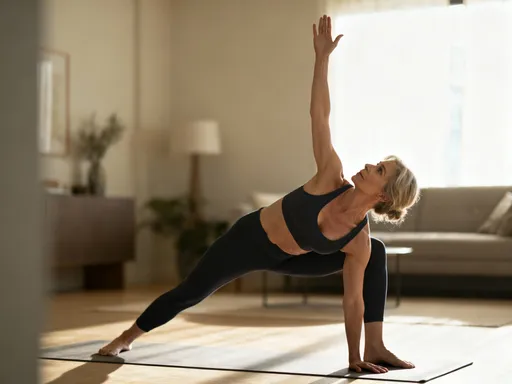
While strength and cardio often dominate fitness conversations, flexibility and balance are equally vital—yet frequently overlooked. As we age, connective tissues stiffen, joints lose range of motion, and balance mechanisms decline. These changes increase the risk of falls, one of the leading causes of injury and loss of independence among older adults. Poor mobility also contributes to chronic pain, postural issues, and reduced quality of life. The good news is that flexibility and balance are trainable at any age. Daily stretching, yoga, or tai chi can dramatically improve joint health, muscle elasticity, and neuromuscular coordination.
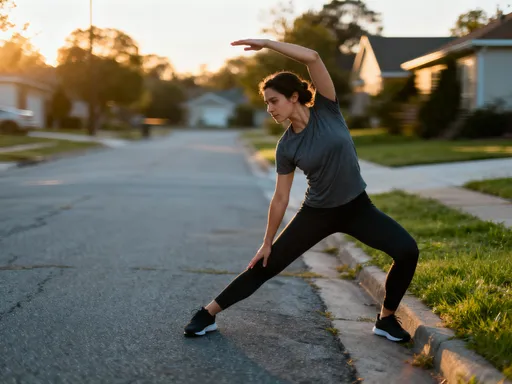
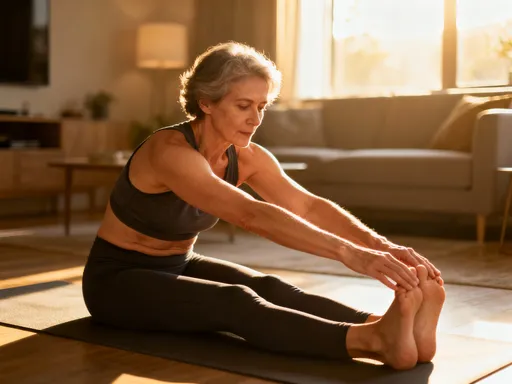
Stretching should not be reserved for after workouts. Incorporating a 10-minute routine each morning or evening helps maintain mobility and reduces stiffness. Focus on major muscle groups: hamstrings, hips, shoulders, and the spine. Gentle, sustained stretches—held for 20 to 30 seconds—allow tissues to lengthen safely. Dynamic movements, such as arm circles or leg swings, can also be included to prepare the body for activity. Yoga offers a structured way to build flexibility while also enhancing strength and breath awareness. Studies have shown that regular yoga practice improves balance, reduces lower back pain, and decreases stress hormones like cortisol.
Tai chi, often described as “meditation in motion,” is another powerful option. This gentle martial art emphasizes slow, controlled movements and deep breathing, improving balance, coordination, and mental focus. Research from Harvard Medical School indicates that tai chi can reduce fall risk by up to 50% in older adults. These practices also support the autonomic nervous system, promoting relaxation and better sleep. Unlike high-intensity workouts, flexibility and balance exercises are low-impact and accessible to nearly everyone, regardless of fitness level. By prioritizing these often-neglected components, you’re not just preventing injury—you’re preserving the ability to move freely, confidently, and independently for years to come.
Putting It All Together: A Realistic, Sustainable Routine
Creating an effective anti-aging fitness plan doesn’t require drastic changes or hours at the gym. The goal is consistency, balance, and enjoyment. A realistic weekly framework might include: two strength training sessions (20–30 minutes each), three moderate aerobic workouts (30 minutes each), and daily flexibility or balance practice (10 minutes). This structure ensures all three pillars are addressed without overwhelming your schedule. For example, Monday could include bodyweight strength exercises, Tuesday a brisk walk, Wednesday yoga, Thursday strength again, Friday a swim, with weekend walks or light stretching to maintain momentum.
Recovery is just as important as activity. Muscles need time to repair and grow, so avoid back-to-back intense workouts. Sleep plays a critical role—during deep rest, the body releases growth hormone, repairs tissues, and consolidates memories. Aim for 7 to 8 hours per night. Nutrition also supports exercise benefits. A diet rich in lean protein, whole grains, healthy fats, and colorful vegetables provides the building blocks for muscle repair and reduces inflammation. Hydration is essential, especially as the sense of thirst diminishes with age.
Motivation can wane, so tracking progress helps maintain momentum. Keep a simple journal noting how you feel, how movement improves daily tasks, or how your energy levels change. Celebrate small wins—like holding a plank longer, walking farther, or feeling less stiff in the morning. These milestones matter. Most importantly, consult with a healthcare provider before beginning any new exercise program, especially if you have chronic conditions like arthritis, heart disease, or diabetes. They can help tailor recommendations to your needs. The journey to aging well isn’t about perfection—it’s about showing up, moving regularly, and treating your body with the care it deserves.
Aging well isn’t luck—it’s practice. The passage of time cannot be stopped, but the way it affects your body is far from inevitable. Exercise is not a punishment for aging; it is a daily investment in vitality, strength, and independence. No single workout will turn back the clock, but consistent, balanced movement reshapes how you age. It protects your cells, supports your heart and brain, and preserves your ability to live fully. Feeling strong, mobile, and energized isn’t reserved for the young. It’s available to anyone willing to move. And the best time to start is now.