From Doubt to Confidence: How Online Certifications Quieted My Inner Critic
You know that voice in your head? The one that whispers, “You’re not good enough,” every time you consider learning something new? I heard it too—until I tried online skill certification. It wasn’t about the badge at the end. It was about showing up consistently, proving to myself I could grow, and slowly silencing the doubt. This is how a simple daily habit quietly reshaped my confidence, one small win at a time. And if you’ve ever felt stuck, overwhelmed, or like you’re falling behind, I want you to know—this isn’t just my story. It could be yours too.
The Moment Everything Felt Overwhelming
There was a time when I looked at my to-do list and felt like I was drowning. Not because I didn’t care, but because I cared too much. I wanted to be better—at work, at home, in my relationships, even in how I took care of myself. I’d sign up for online courses with big dreams: learn web design, understand personal finance, pick up a new language. But within days, the guilt would set in. I hadn’t watched the videos. I skipped the assignments. The course sat there, unfinished, like a silent accusation.
And then came the voice. You know the one. It didn’t yell. It didn’t need to. It just murmured, “You can’t stick with anything. Why even try?” That voice wasn’t about the course. It was about me—my worth, my discipline, my ability to change. I thought the problem was time. I blamed my schedule, my kids, my job. But the truth? The real barrier wasn’t external. It was the belief that if I couldn’t do it perfectly, I shouldn’t do it at all.
I wasn’t lazy. I was afraid. Afraid of failing, yes—but more afraid of proving to myself that I wasn’t capable. That if I tried and still didn’t finish, it meant something deeper about who I was. Sound familiar? I think so many of us carry that weight. We want to grow, but we’re paralyzed by the idea that growth has to be dramatic, fast, and flawless. And when it isn’t, we give up. But what if growth didn’t look like a leap? What if it looked like a step? A tiny, daily step that no one else even notices—but you do?
Discovering the Power of Micro-Commitments
The shift didn’t come from a motivational speech or a sudden burst of willpower. It came from one small decision: instead of saying, “I’m going to learn graphic design,” I said, “I’m going to spend 15 minutes today on a lesson.” That’s it. No grand plan. No pressure to finish in a week. Just 15 minutes. And I made it non-negotiable—like brushing my teeth or making my morning coffee.
At first, it felt almost too simple. “How can 15 minutes change anything?” I wondered. But here’s what I learned: small commitments aren’t about the skill you’re building. They’re about the identity you’re becoming. Every time I showed up, even when I didn’t feel like it, I was sending a message to myself: “I keep my word. I follow through.” That consistency started to chip away at the old story I’d been telling myself.
And the platform I used? It wasn’t flashy. No high-pressure sales, no complicated dashboards. It just made it easy to open a lesson, complete a short video, answer a few questions. The key was that it didn’t ask me to transform overnight. It asked me to show up. That’s the magic of online certifications when they’re designed with real life in mind—they meet you where you are. You don’t need a perfect environment or a clear weekend. You just need a few quiet minutes and the willingness to begin.
Within a month, something shifted. I wasn’t just learning about design principles. I was learning that I could do hard things—not all at once, but steadily. And that changed everything.
How Structure Silences the Noise
Before I found certification programs with clear paths, I used to wander online, clicking from one tutorial to another, never sure if I was making progress. It felt like walking through a maze with no map. I’d watch a video, feel inspired, then get stuck on the next step. Should I practice? Move on? Try a project? The lack of direction was exhausting. And every time I hesitated, the inner critic piped up: “See? You don’t even know what you’re doing.”
But structured learning changed that. Instead of guessing, I had a path: Lesson 1, Quiz 1, Activity 1. Each step built on the last. There were checkpoints, feedback, and even gentle reminders when I hadn’t logged in. It wasn’t about control—it was about clarity. And that clarity did something surprising: it gave me freedom.
Because I didn’t have to decide what to do next, I could just focus on doing it. No more second-guessing. No more scrolling for hours trying to find the “right” resource. The program held the plan, so I could hold the progress. And that reduced the mental load so much. I wasn’t fighting my own indecision anymore. I was simply moving forward.
Think of it like following a recipe. If you’ve ever tried to cook without one, you know how overwhelming it can feel. You’re not sure about the ingredients, the timing, the technique. But when you have clear steps, you can relax and enjoy the process. That’s what a well-designed certification path does. It doesn’t take away your agency. It supports it. And in that support, I found something I didn’t expect: peace. The kind that comes from knowing you’re on the right track, even if you’re moving slowly.
The Unexpected Confidence Boost
I didn’t start this journey to feel more confident. I started because I wanted to learn a new skill. But what I didn’t realize was how much my self-worth had become tangled up with my productivity. If I was busy, I felt okay. If I was stuck, I felt like a failure. And every unfinished course deepened that feeling.
But something shifted when I began completing modules—small ones, yes, but consistently. Each time I marked a lesson as complete, something quiet but powerful happened inside. It wasn’t a loud celebration. It was more like a whisper: “You did it. Again.” And over time, those whispers started to drown out the old, critical voice.
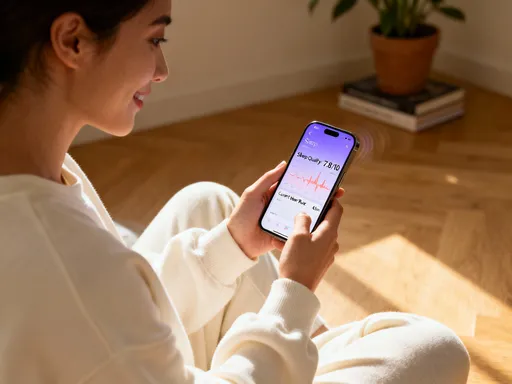
One day, I caught myself thinking, “I’m someone who finishes things.” And I realized that wasn’t true six months ago. Back then, I would’ve said, “I’m someone who starts things but never finishes.” But now? The evidence was in the data. The platform showed my progress—streaks, badges, completed courses. It wasn’t bragging. It was proof. And proof is powerful when you’ve spent years doubting yourself.
This wasn’t about becoming an expert overnight. It was about becoming someone who shows up. And that identity shift—that’s where real confidence grows. Not from one big win, but from a thousand small ones. I started to trust myself in other areas too. If I could stick with a course, maybe I could stick with a new fitness routine. Maybe I could finally organize the pantry. Maybe I could speak up more in meetings. The confidence didn’t stay on the screen. It spilled over.
Integrating Learning into Real Life
One of the biggest myths about learning is that it requires big chunks of time. I used to believe that too. I’d tell myself, “I’ll start when I have a free weekend” or “Once the kids are back in school.” But life doesn’t pause. And waiting for the “perfect time” meant I’d never start.
What changed was my mindset. Instead of looking for time, I started using the time I already had. That 15 minutes while my coffee brewed? Perfect for a quick lesson. The 20 minutes I spent waiting for my daughter’s piano lesson to end? I opened the app and reviewed a quiz. Even during commercials while watching a show with my family, I’d pull out my phone and check my progress.
And here’s the thing—these moments added up. I wasn’t stealing time from my family or my responsibilities. I was weaving learning into the fabric of my day. It became as natural as checking my email or tidying the kitchen. I didn’t need a special routine. I just needed to anchor it to something I was already doing.
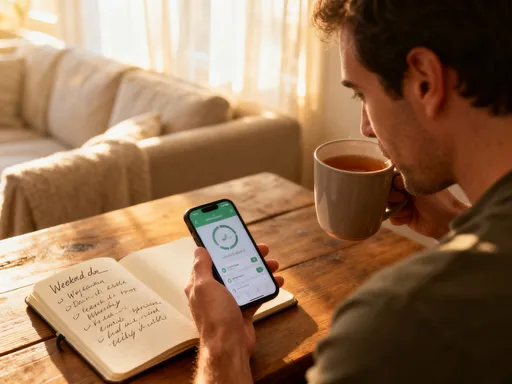
For example, I started pairing my morning tea with a lesson. No phone scrolling. No news. Just 15 minutes of learning. That small ritual became something I looked forward to—a quiet moment of growth before the day began. And because it was tied to a habit I already loved, I didn’t have to rely on motivation. It just became part of my rhythm.
If you’re thinking, “I don’t have time,” I hear you. But ask yourself: where are the small gaps in your day? Could one of them hold a tiny step forward? You don’t need hours. You just need consistency. And the beauty of online certification is that it’s designed for real life—not the idealized version we wish we had.
When Motivation Fades, Systems Hold
Let’s be honest—some days, I didn’t feel like logging in. My energy was low. My mind was busy. The lesson felt boring. And that voice? It came back: “Skip it. No one will know.” But here’s the difference: I wasn’t relying on motivation anymore. I had a system.
That system included a few simple things. First, I set a daily reminder on my phone. Not pushy, just a gentle nudge: “Time for your lesson?” Second, I used the platform’s streak counter. I know it sounds silly, but seeing that number go up—7 days, 14 days, 30 days—made me want to protect it. Third, I celebrated small wins. Not with parties, but with acknowledgment. “I showed up today. That matters.”
And when I missed a day? I didn’t beat myself up. I just restarted. No drama. No guilt. The platform didn’t punish me. It just welcomed me back. And that grace was crucial. Because perfection wasn’t the goal—consistency was.
Technology, when used wisely, doesn’t replace discipline. It supports it. The progress bar, the completion checkmark, the email that says, “You’re doing great!”—these aren’t just features. They’re tiny allies in the quiet battle against self-doubt. They remind you that you’re not alone, that someone designed this path with people like you in mind.
And over time, something beautiful happens. You stop needing the reminders as much. The habit takes root. Showing up becomes automatic. And that’s when real change happens—not because you forced yourself, but because you built a system that made it easy to succeed.
The Ripple Effect Beyond the Screen
When I finished my first certification, I didn’t immediately get a promotion or start a side business. But something deeper had shifted. I carried myself differently. I spoke with more certainty. I made decisions faster. And I realized: the certification wasn’t just about the skill. It was about what I learned about myself in the process.
That discipline—the ability to show up, to follow through, to trust the process—started showing up in other areas of my life. I became more patient with my kids because I understood that growth takes time. I started meal planning because I saw how small choices lead to big results. I even tackled home projects I’d been avoiding for years, one step at a time.
And here’s what surprised me most: my family noticed. My daughter said, “Mom, you seem calmer lately.” My husband said, “You’re making more decisions without second-guessing.” That external feedback confirmed what I was feeling inside. The confidence wasn’t fake. It was earned.
Because that’s the real power of online certifications—they’re not just about career advancement. They’re about personal transformation. They teach you that you’re capable. That you can grow. That you can change. And when you believe that about yourself, everything shifts. You stop waiting for permission. You stop seeking approval. You start living like someone who knows she can figure things out.
So if you’ve ever doubted yourself, if you’ve ever felt like you’re not smart enough, disciplined enough, or talented enough—please know this: you don’t need to be any of those things to start. You just need to be willing. Willing to try. Willing to show up. Willing to believe that small steps count.
Because they do. And each one is a quiet rebellion against the voice that says you can’t. Each lesson, each quiz, each completed module is a vote for the person you’re becoming. And over time, those votes add up to a life that feels more intentional, more capable, more yours.
You don’t need a dramatic overhaul. You don’t need to wait for the perfect moment. You just need 15 minutes, a device, and the courage to begin. The rest? It follows. One small win at a time.