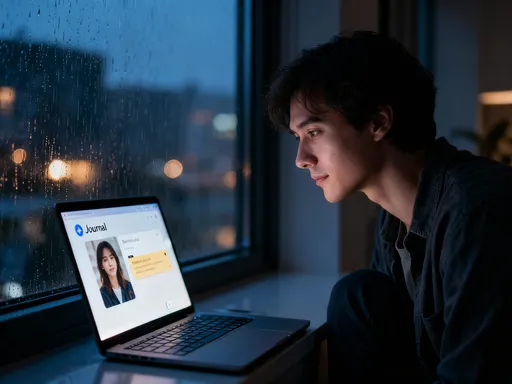
What If You Could Never Forget a Family Moment Again?
Imagine flipping through a digital album that reminds you not just of birthdays, but of the quiet moments—your niece’s first laugh, your parents’ anniversary dinner, the way your brother always hums that old song. What if technology could gently nudge your memory, not with cold alerts, but with warmth and meaning? This isn’t about data—it’s about keeping love alive in the smallest, most human ways. We don’t forget because we don’t care. We forget because life moves fast, and our hearts carry so much. But what if your phone, your tablet, even your smart speaker, could become more than tools—they could become storytellers, memory-keepers, quiet guardians of the moments that shaped your family?
The Little Things We Tend to Forget (But Wish We Didn’t)
Let’s be honest—none of us want to forget the big things. Birthdays, graduations, weddings—they’re etched in calendars and photo albums for a reason. But it’s the soft edges of memory that slip away. The way your dad used to tap his fingers on the steering wheel when he thought no one was listening. The silly face your daughter made the first time she tasted lemon. The exact words your sister said when she called to say she got the job. These aren’t just memories. They’re emotional landmarks. And yet, they fade not from lack of love, but from lack of attention.
I’ll never forget the moment it hit me. It was a Tuesday, raining, and I was rushing to pack school lunches when my phone buzzed. A photo popped up—my sister, years ago, standing in front of her new office building, grinning, holding a coffee cup like it was a trophy. The caption: “First day at her dream job—June 12, 2017.” I froze. That was the day. I hadn’t called. I hadn’t even thought about it. Not because I didn’t care—I loved that moment for her—but because life had swallowed the date whole. I felt a pang, not of guilt, but of loss. Not of the day, but of the chance to say, “I remember. I’m proud.” That’s when I realized: I didn’t need a better memory. I needed a kinder way to remember.
We weren’t built to track every emotional milestone on a calendar. Our brains prioritize survival, not sentiment. But our hearts? They thrive on connection, on recognition. And when we miss these small anniversaries, it’s not just us who feel it—our loved ones do too. They might not say it, but being remembered, truly remembered, is one of the deepest forms of being loved. So I started asking myself: what if technology could help me do better? Not by replacing memory, but by supporting it—like a gentle whisper, not a loud alarm.
How Technology Became My Family’s Memory Keeper
I used to think smart devices were for productivity—reminders for meetings, grocery lists, dentist appointments. Important, yes, but not exactly warm. Then I had a thought: what if I used the same tools not just to manage my time, but to honor my people? I started small. I opened my calendar app—something I already used every day—and created a new event: “Sister’s First Job Day.” But instead of just typing the date, I attached a photo from that day. I added a note: “She was so nervous, then so proud. Called me from the parking lot. We both cried.” I set it to repeat yearly.
The first time it popped up, I didn’t just see a reminder. I felt a moment. And I called her. Not because I had to, but because I wanted to. Her voice lit up: “You remembered?” That one word changed everything. It wasn’t about the job anymore. It was about being seen. I realized then that technology didn’t have to be cold. It could carry warmth—if I gave it something warm to carry.
So I expanded. I began using my photo library not just to store images, but to tag them with emotions and stories. A picture of my mom laughing at Thanksgiving wasn’t just “2019 Family Dinner.” It became “Mom’s famous mashed potatoes—she dropped the bowl but laughed instead of yelling.” I added voice memos—recordings of my nephew singing off-key in the car, my dad telling the same joke for the tenth time. Then, using simple features in apps I already had, I linked these to dates. Now, on random afternoons, my phone chimes softly: “Remember this?” and shows me a three-second clip of my niece taking her first wobbly steps. No pressure. No task. Just a gift.
What changed wasn’t the tech. It was my intention. I stopped asking, “What do I need to do?” and started asking, “Who do I want to remember?” And in that shift, my devices transformed. They weren’t just tools anymore. They became memory partners—quiet, consistent, always there.
From Cold Alerts to Warm Reminders: The Emotional Upgrade
Let’s face it—most reminders feel like chores. “Take out the trash.” “Call the vet.” They’re functional, sure, but they don’t speak to the heart. I wanted my reminders to feel different. I wanted them to sound like they came from someone who knew us, who loved us. So I started customizing them—not with complicated settings, but with small, human touches.
Instead of “Mom’s Birthday,” I changed it to “Happy Birthday, Mama ❤️.” I added a nickname only our family uses. I set a reminder to play her favorite song—“You Are So Beautiful”—on her special day. I even scanned an old movie ticket from a family trip and saved it in the event details. Now, when the reminder pops up, it’s not just a notification. It’s a mini celebration. It feels personal. It feels like love.
One of my favorite changes? Adding voice notes to reminders. On the anniversary of my parents’ first date, I attached a recording of my dad telling the story—how he was late, how my mom pretended to be mad, how they ended up sharing fries at a diner. When the reminder goes off, I press play, and suddenly, his voice fills the kitchen. My kids stop what they’re doing. “Grandpa’s telling a story!” They gather around. It’s not just remembering. It’s reliving.
The beauty is, you don’t need special skills for this. Most smartphones and tablets let you add notes, photos, audio, and even music to calendar events. You don’t have to be tech-savvy—just heart-savvy. The goal isn’t to build a digital museum. It’s to create little moments of connection that pop up when you least expect them, but most need them. A reminder isn’t just a signal—it can be a hug, a laugh, a tear, a “I still think about you” from the past, delivered gently to the present.
Sharing Memories Without the Awkwardness
We’ve all been there. You run into a friend, and they mention their late pet. You rack your brain—what was the dog’s name? You feel a flush of embarrassment. Or you hear about a cousin’s miscarriage months later and realize you never reached out. Not because you didn’t care, but because you didn’t know, or you forgot, or you didn’t know what to say.
At a gathering last year, a friend admitted quietly, “I forgot my best friend’s dog’s name after he passed. I feel terrible.” Another nodded. “I missed my aunt’s surgery date. I found out she was home when I saw a photo.” The room grew still. These weren’t careless people. They were loving, busy, overwhelmed people—just like us. That’s when I shared what I’d started doing: using shared digital albums with gentle, automated reminders.
Here’s how it works. I created a private album in a photo app and invited a few close family members and friends. We upload photos, voice clips, even short videos—nothing fancy. Then, using the app’s “memories” feature, we set it to notify everyone on certain dates. Not a big announcement. Just a simple message: “Two years ago today, we were at the beach with Max.” With it, a photo of the golden retriever chasing a ball. No pressure to post, to comment, to perform. Just a quiet “remember this?”
One friend started doing the same for her late mother. On the anniversary of her passing, the group gets a photo and a quote her mom loved: “Kindness is free—sprinkle it everywhere.” No one has to say anything. But everyone feels seen. It’s not about filling silence. It’s about honoring presence—past, but still real. And the best part? It removes the weight of remembering perfectly. You don’t have to carry it all. The tech holds it gently, and returns it when it matters.
Teaching Parents and Kids to Remember Together
When I first suggested my mom use reminders for family memories, she laughed. “I can barely answer FaceTime!” But then I showed her one thing: how to attach a voice memo to a calendar event. I helped her record a short clip of her singing a lullaby she used to sing to my cousin. Then I linked it to his birthday. The next year, when the reminder went off, her phone played her own voice: “Hush little baby…” She cried. “I forgot I still had that voice,” she said. Now, she adds voice notes to all our family dates—her birthday wishes, her jokes, her “don’t forget to eat” messages. She calls it “my memory box.”
On the other end of the spectrum is my nephew, who’s ten. He doesn’t use calendars, but he loves an animation app where he can create little “memory bubbles”—cartoon versions of real moments, like the time we all got caught in the rain at the park. He “sends” them to family members on anniversaries. My sister got one on the one-year mark of her home purchase: a tiny animated version of us dancing in the empty living room. “Best day ever,” it said. She saved it. “It made me smile on a hard day,” she told me.
What I love is that both my mom and my nephew—decades apart—are using technology to express love in their own way. One through voice, one through play. The tools are different, but the heart is the same. And by encouraging both, we’ve created a family culture of remembering. It’s not about perfection. It’s about participation. You don’t have to be young or techy. You just have to care. And when we show our kids and parents that remembering matters, we teach them that love isn’t just felt in the moment—it’s carried forward.
When Life Gets Chaotic, Your Memories Stay Grounded
There was a year when everything felt heavy. A family illness, work stress, sleepless nights. I was running on fumes. One afternoon, as I stared at a pile of laundry, my phone lit up. A reminder: “Three years ago today, we laughed till we cried over burnt pancakes.” With it, a photo of my brother flipping a blackened pancake, my mom pretending to faint, my niece giggling so hard she snorted. I stood there, laundry forgotten, and just laughed. Then I cried. It wasn’t just a memory. It was a lifeline.
In hard times, joy can feel distant, even guilty. But moments like that reminded me: happiness isn’t gone just because it’s not here now. It’s stored. And sometimes, all we need is a small nudge to remember we’ve survived hard things before. Those gentle memory cues became emotional anchors. They didn’t fix anything, but they reminded me of who I was, who I loved, and what we’d already overcome.
I started adding more of these—not just happy moments, but meaningful ones. A reminder of the night we sat up talking after a loss. A voice note from my daughter saying, “I love our cuddles.” These weren’t escapes from reality. They were reinforcements of it—the truth that even in darkness, there is light, and it’s worth holding onto. And the best part? They required no effort in the moment. I set them up when I could, so they could support me when I couldn’t.
If you’re going through a tough season, I encourage you: plant these seeds now. Add a few warm reminders to your calendar. Let them be your future self’s gift. Because one day, when you’re exhausted or sad, your phone might just hand you back a piece of your heart, and say, “Remember? You’re not alone.”
Making It Your Own: Simple Steps to Start Today
You don’t need a new app. You don’t need to be a tech expert. You just need a few minutes and a heart full of love. Start small. Pick one moment—one that still makes you smile or blink back tears. Maybe it’s the day your child said their first word. Maybe it’s the last time you saw your parents together at the kitchen table. Maybe it’s a friend who moved away.
Now, open your phone. Go to your calendar or photo app. Create a new event or memory. Add the date. Then, attach something real: a photo, a voice note, a short video. Type a few words—not “Event: Birthday”—but “The year she wore the rainbow hat and danced in the rain.” Set it to repeat yearly, or just save it as a memory.
Finally, share it—with one person. Send the photo. Say, “I was just remembering this. It meant a lot.” You don’t have to do everything at once. Just one moment. One memory. One act of love. That’s enough to begin. And once you start, you’ll find yourself noticing more—the small, beautiful things you want to keep. You’ll start saving voice notes without thinking. You’ll smile when a reminder pops up. You’ll call someone “just because.”
And slowly, your tech will stop feeling like a distraction. It will feel like a bridge—connecting you to the people who matter, the moments that shaped you, the love that stays.
More Than Reminders—Keeping Love Alive
At the end of the day, this isn’t really about technology. It’s about intention. It’s about saying, “You matter. This moment mattered.” In a world that moves too fast, where we’re pulled in ten directions at once, these small digital gestures become acts of resistance—against forgetting, against rushing, against losing what’s precious.
Your phone doesn’t have to be a source of stress. It can be a vessel for love. A quiet companion that helps you honor your people, not perfectly, but tenderly. These reminders aren’t about capturing every second. They’re about cherishing the ones that linger in your heart—the laughter, the tears, the ordinary magic of family life.
So go ahead. Pick one memory. Save it. Share it. Let technology do what it does best—not to control your life, but to deepen it. Because when we remember, we don’t just look back. We carry forward. We say, without words, “I still see you. I still love you. I haven’t forgotten.” And sometimes, that’s the most important thing of all.