More Than Just a Room: How My Smart Leisure Space Changed My Daily Rhythm
Remember those days when you came home exhausted, only to feel guilty for not doing enough—no workout, no quiet time, not even a proper cup of tea? I did. Then I transformed a forgotten corner into a smart leisure space. It didn’t just give me back time—it reshaped my rhythm. No tech jargon, no expensive gadgets. Just small, thoughtful changes that made me calmer, more present, and surprisingly more in control of my day. It started with a simple question: what if the space around me could actually help me feel better, instead of just sitting there? What if it could guide me, gently, toward peace, presence, and purpose?
The Burnout That Started It All
For years, I wore busyness like a badge of honor. Work until dinner, help with homework, tidy up, maybe squeeze in a few minutes of laundry folding—then collapse onto the couch. My idea of relaxation was scrolling through my phone, eyes glazed, half-watching something on TV. But here’s the truth: I never felt rested. I’d wake up tired, drag through the day, and repeat the cycle, wondering why I couldn’t just *feel better*. The guilt followed me like a shadow—guilt for not exercising, for not reading more, for not being more patient with my kids, for not taking better care of myself.
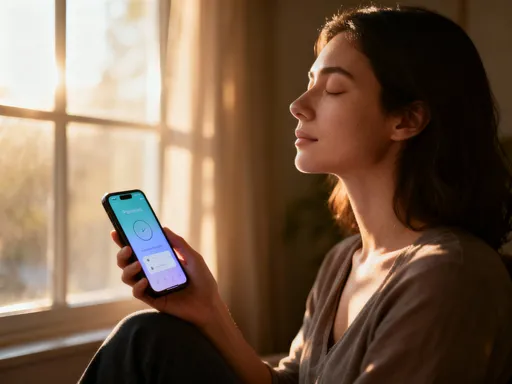
One Sunday afternoon, I sat on the floor sorting through old photos, and it hit me: I hadn’t done anything just for *me* in months. Not really. No quiet moment with a book. No long bath. No time to just breathe. And I realized—I didn’t even have a place in my home where I could do that. The living room was for family. The kitchen was for chores. The bedroom was for sleep (and sometimes stress). There was no corner, no chair, no nook that said, “This is yours. You can just *be* here.” That moment was my wake-up call. I didn’t need a vacation or a spa day—I needed a sanctuary. A small, simple space designed not for productivity, but for presence.
I didn’t have extra rooms or a basement to renovate. But I had a quiet corner near the back window—just enough space for a cushioned chair, a small side table, and a floor lamp. It used to hold a stack of old magazines and a forgotten plant. But I cleared it out, wiped the dust away, and made a promise: this would be my space. Not for doing, but for being. And slowly, I began to wonder—what if this little corner could do more than just exist? What if it could actually help me feel calmer, more grounded, more like *me* again?
Building a Space That Listens (Without Saying a Word)
I’ll be honest—I wasn’t trying to build a high-tech command center. I didn’t want blinking lights or complicated apps. I just wanted a space that *understood* me. That knew when I was tired, when I needed comfort, when I needed a little nudge toward peace. So I started simple. First, I chose a cozy chair—the kind that hugs you when you sit down. Then I added a soft throw blanket and a small table for my tea. But the real change came when I added just a few smart elements that responded to *me*, not the other way around.
I installed a smart light bulb—one that I could control with my voice or phone. I programmed it to turn on at sunset with a warm, golden glow, the kind of light that feels like a hug. No more fumbling for switches or staring at harsh overheads. Now, when I say, “I’m home,” the light gently brightens, just enough to welcome me. It’s a small thing, but it makes me feel seen. I also added a compact smart speaker—nothing fancy, just one that connects to my music and can play sounds on command. I created a playlist of songs that calm me—soft piano, acoustic guitar, the kind of music that slows your heartbeat without you noticing.
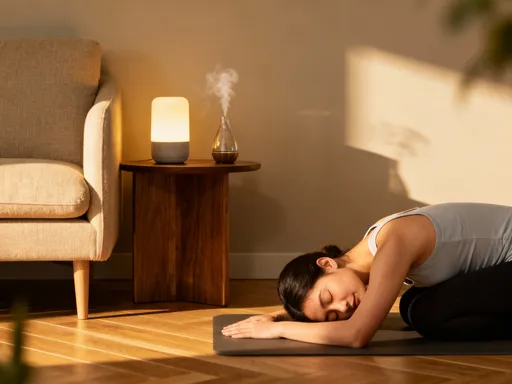
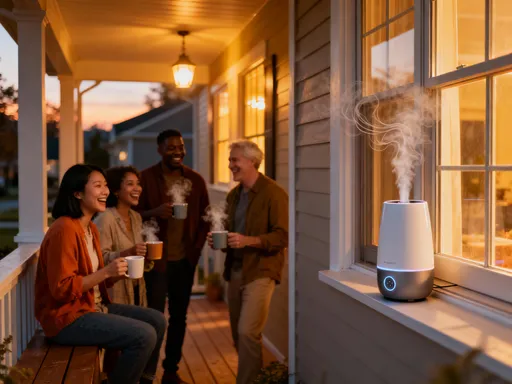
Then came the diffuser. I love the smell of lavender, but I always forgot to use essential oils. So I got a smart plug-in diffuser that I can turn on with my voice. Now, when I say, “Time to unwind,” it mists a light blend of lavender and chamomile into the air. I didn’t realize how much scent affects mood until I started using it. That first whiff of lavender? It’s like a signal to my nervous system: *You’re safe now. You can let go.* These aren’t flashy gadgets. They don’t do anything magical. But together, they create a space that *responds* to me. I don’t have to decide how to relax. I just walk in, and the room begins the process for me.
How Lighting Became My Daily Compass
Before this, my lighting was an afterthought. I flipped on the same bright overhead light in the morning and evening. My phone screen glowed late into the night. And I wondered why I had trouble falling asleep. I didn’t realize how much artificial light was messing with my rhythm. Then I learned about circadian lighting—the idea that light can help regulate our natural sleep-wake cycle. I didn’t need a full home retrofit. Just one smart bulb in my leisure corner could make a difference.
I programmed it to shift color temperature throughout the day. In the morning, it turns on bright and cool—like sunlight—to help me wake up and feel alert. By midday, it’s neutral. And starting at 6:30 p.m., it gradually shifts to a warm amber, mimicking the sunset. By 8 p.m., the room is bathed in soft, candle-like light. No blue tones. No glare. Just warmth. Within days, I noticed I was feeling sleepy at a reasonable hour—*naturally*. No more lying in bed, wide awake, scrolling for an hour. My body started syncing with the light.
But the surprise was how it affected my whole day. I began waking up earlier—without an alarm. Not because I had to, but because my body *wanted* to. My energy felt more stable. The afternoon slump? Almost gone. I realized how much I’d been fighting my biology with bad lighting. This little bulb wasn’t just setting a mood—it was setting a rhythm. It became my daily compass, gently guiding me from alertness to calm, from activity to rest. And for the first time in years, I felt like I was living *with* my body, not against it.
Soundscapes That Quiet the Mind, Not Just the Room
Silence used to make me anxious. It felt heavy, like something was missing. So I’d turn on the TV or keep music playing, even if I wasn’t really listening. But noise isn’t the same as peace. What I needed wasn’t distraction—it was *presence*. That’s when I discovered ambient soundscapes. Not music, exactly. More like gentle audio environments—rain falling on leaves, waves rolling onto shore, the distant hum of a quiet café. I found a smart speaker that lets me save these as scenes, so I can activate them with a simple voice command.
Now, when I sit down in my corner, I say, “Evening wind down,” and within seconds, the sound of a forest at dusk fills the room. It’s not loud. It’s just there, like background breath. On tough days, I say, “Help me reset,” and a five-minute guided breathing exercise begins. No app to open. No timer to set. Just instant access to calm. I’ve even shared this with my teenage daughter. She uses a different scene—“Focus mode”—with soft lo-fi beats when she’s studying. She says it helps her concentrate without feeling overwhelmed.
What I love most is how these soundscapes create emotional safety. They don’t erase stress, but they give me a container for it. Instead of letting anxiety spiral, I can step into this space and let the sound wrap around me. It’s like emotional architecture—building a quiet room inside my mind, supported by gentle audio. And the best part? It’s effortless. I don’t have to “try” to relax. I just show up, and the space meets me where I am.
Small Tech, Big Shifts in Daily Habits
The real magic of this space isn’t in any single gadget—it’s in how these small tools helped me build better habits without effort. I used to skip tea in the afternoon because I was “too busy” to boil water. Now, I have a smart plug connected to my electric kettle, set to turn on at 4:30 p.m. every day. That’s my signal—a little pause in the day. I don’t have to remember. The kettle does it for me. And that five minutes of making tea—measuring the leaves, waiting for the water, sipping slowly—has become my daily reset.
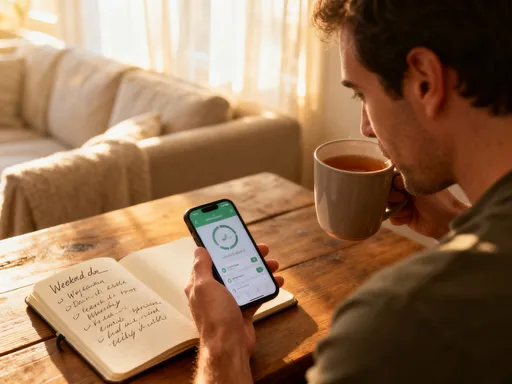
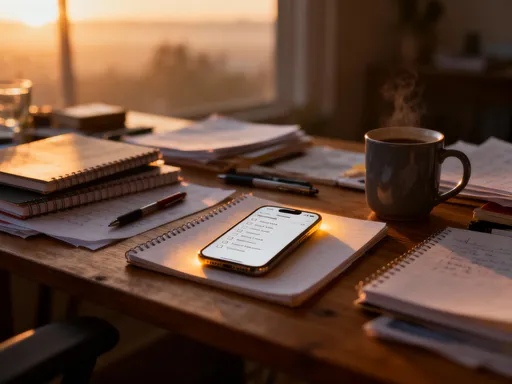
I also linked my reading lamp to a “focus mode” routine. When I say, “I need to read,” the lamp dims to a warm, cozy glow, and my phone automatically enables Do Not Disturb. No notifications. No pings. Just me and the book. At first, I thought I’d miss it. But I don’t. In fact, I look forward to it. I’ve read more in the past three months than I have in years. I’ve even started journaling again—something I hadn’t done since college. I keep a notebook on the side table, and now that I have a dedicated space and time, the words come easier.
These aren’t huge changes. But together, they’ve reshaped my days. Instead of mindless scrolling, I have rituals. Instead of guilt, I have gratitude. The tech didn’t force me to change. It just made the *right* choices—the kind that nourish me—the easiest ones. And that’s the secret: sustainability isn’t about willpower. It’s about designing your environment so that good habits happen naturally.
A Space That Grows With Me
One of the most beautiful things about this space is how it’s evolved with me. It’s not static. It’s alive. When I decided to try yoga, I added a small tablet mounted on a stand. I linked it to a gentle morning stretch playlist, and set it to turn on with motion. Now, when I walk into the corner in the morning, it greets me with a simple pose on the screen—nothing intimidating, just a quiet invitation to move. I do five minutes. Sometimes ten. But it’s enough to wake up my body and set a calm tone for the day.
Then, during a lonely patch last winter, I realized I missed my friends. So I scheduled a weekly virtual tea chat with my closest friend from college. We meet every Thursday at 7 p.m. And I programmed the space to prepare itself: the light warms, the kettle turns on, and the speaker plays our favorite soft jazz playlist. When she appears on my tablet, the space already feels like a cozy café. It’s become our shared ritual, even though we’re miles apart. The technology doesn’t replace connection—it enhances it. It removes the friction so we can just be together.
This space has become more than a corner. It’s a partner in my well-being. It doesn’t demand anything. It just adapts, quietly, to whatever I need. Some days it’s for silence. Some days it’s for movement. Some days it’s for laughter with a friend. It’s not perfect. But it’s *mine*. And that makes all the difference.
Reclaiming Rhythm, One Evening at a Time
Today, my smart leisure space isn’t about convenience. It’s about reconnection. With myself. With my energy. With the natural flow of my day. I no longer fight my rhythm—I flow with it. And the best part? None of this required technical skill, a big budget, or a home renovation. It started with one question: *What do I need to feel safe, calm, and seen?* And then, one small step at a time, I built a space that answers that question every day.
I’ve learned that rest is not laziness. It’s not wasted time. It’s the foundation of everything—of patience, of creativity, of resilience. When I honor my need for quiet, I show up better for my family, my work, my life. And this little corner, with its soft light, gentle sounds, and thoughtful tech, has become my daily reminder: you are allowed to pause. You are allowed to care for yourself. You are worth the space.
If you’re feeling drained, overwhelmed, or just a little disconnected from yourself, I want you to know—change doesn’t have to be big. Start small. Find a corner. Add one thing that brings you comfort. Maybe it’s a lamp that glows warm at night. Maybe it’s a speaker that plays your favorite calming song. Maybe it’s just a chair where you can sit and breathe. Let your space support you. Let it listen. Let it help you remember your rhythm. Because you don’t need to earn rest. You were born with the right to it. And sometimes, all it takes is a little corner that says, “Welcome home.”