What if Your Kitchen Could Warn You Before Disaster Strikes?
Imagine leaving home, feeling good about your day—until a text alert tells you water is flooding your kitchen. A silent leak, hidden under the fridge, could ruin floors, walls, even relationships. But what used to be a homeowner’s nightmare now has a quiet hero: smart water leak detectors. These small devices don’t just beep—they protect peace of mind. I’ve seen families avoid thousands in damage, all because a tiny sensor noticed what no one else could. It’s not magic. It’s not complicated. It’s just smart tech quietly working in the background, like a trusted friend watching your back while you live your life.
The Quiet Threat Lurking in Every Home
Picture this: a family returns from a long-awaited beach vacation, sun-kissed and relaxed, only to walk into a house that smells damp and feels off. The kitchen floor is spongy underfoot. Cabinets are swollen, peeling at the edges. The dishwasher? Still quietly leaking, drop by drop, from a cracked hose no one noticed before they left. This isn’t a rare horror story—it happens more than we think. Water damage is one of the most common and costly household disasters, and it often strikes when no one’s home to stop it. According to insurance industry reports, water damage claims make up nearly half of all homeowner insurance claims in the U.S. alone. And the average cost? Thousands of dollars, not to mention the stress, the disruption, and the emotional toll of seeing your safe space damaged by something so preventable.
What makes these leaks so dangerous isn’t their force—it’s their silence. Unlike a fire alarm or a broken window, a slow drip doesn’t scream for attention. It sneaks in, hidden behind appliances, under floors, inside walls. By the time you notice the warped baseboard or the musty smell, the damage is already done. Mold can start growing in as little as 24 to 48 hours. Wood warps. Flooring buckles. And once water reaches electrical systems or insulation, the repair bill skyrockets. But beyond the money, there’s something deeper at stake: the feeling of safety in your own home. When you can’t trust your house to stay dry while you’re away, it starts to feel less like a sanctuary and more like a gamble.
I remember a neighbor—let’s call her Susan—who came home after a weekend trip to find her entire kitchen floor floating. The washing machine hose had burst while she was gone. She wasn’t angry. She was heartbroken. Not just because of the $8,000 repair, but because her daughter’s handmade art on the fridge was ruined, the photo albums stored in the pantry were soaked, and the sense of security she’d worked so hard to build had been washed away, literally. That’s the thing about water damage—it doesn’t just ruin things. It erodes confidence. And that’s why prevention isn’t just practical. It’s personal.
Meet the Tiny Guardian No One Talks About
Now, imagine a different ending. Same weekend trip. Same washing machine hose. But this time, Susan gets a ping on her phone while she’s at a coffee shop on Sunday morning. It’s a notification: “Water detected near laundry room.” She opens the app, sees the alert, and calls a neighbor to check. By the time she gets home, the water is off, the floor is barely damp, and the damage is limited to a small puddle and a quick cleanup. No contractors. No insurance claims. No heartbreak. That’s the power of a smart water leak detector.
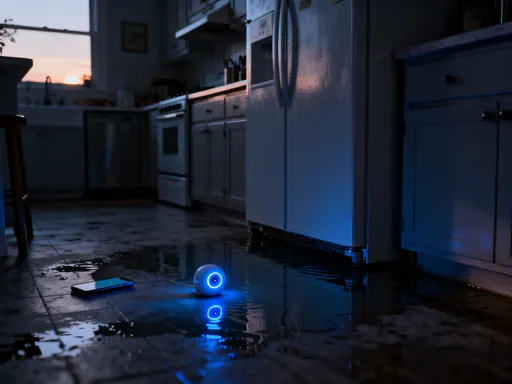
These devices are small—about the size of a smartphone—and designed to be unobtrusive. You place them on the floor near appliances that are most likely to leak: under the kitchen sink, behind the washing machine, near the water heater, or even by the toilet. When they sense moisture, they don’t just sound an alarm. They send a real-time alert to your phone, no matter where you are. Some models even light up or send a secondary alert to other devices in your home. And the best part? Most of them require no wiring, no drilling, no complicated setup. Just unbox, place, and connect to your Wi-Fi.
I’ll admit, I was skeptical at first. I thought, “Another gadget? Another app to manage?” But after seeing what happened to Susan, I gave it a try. I bought one for my own home and another for my mom’s. Now, when I’m on a work call or out running errands, I know I’ll be the first to know if something goes wrong. It’s not about living in fear. It’s about living with confidence. These little sensors don’t take over your life—they protect it. And the more I talk to other women about them, the more I realize how many of us are carrying quiet worries about our homes. We don’t talk about it much, but we all want the same thing: to know our families and our homes are safe, even when we’re not there.
How a Simple Sensor Transforms Family Safety
Let’s be honest—most of us didn’t sign up to be home inspectors. We’re juggling jobs, kids, aging parents, pets, and a million little things that need attention every day. The idea of adding one more thing to monitor can feel overwhelming. But here’s the truth: a water leak detector isn’t another chore. It’s the opposite. It’s one less thing to worry about. And that’s huge when you’re already carrying so much.
For parents, it’s about more than just protecting the house. It’s about protecting the environment where your children grow up. Think about it: your home is where they learn to walk, where they have their first sleepovers, where they feel safest when the world feels scary. When you know your home is protected from preventable disasters, you’re not just saving money—you’re preserving peace. I’ve talked to moms who say the biggest benefit isn’t avoiding damage, but the reduction in anxiety. One told me, “I used to have this nagging thought every time I left the house: Did I turn off the stove? Did I lock the door? Is the washing machine okay? Now, I still check the stove and the locks, but the washing machine? I trust the sensor. It lets me breathe.”
And it’s not just for young families. For adult children with aging parents, these devices offer a way to care from a distance. My friend Lisa lives three hours away from her mom, who lives alone. She gave her a leak detector and set it up with her phone linked to the alerts. “It’s not about control,” she said. “It’s about care. I can’t be there every day, but this little thing gives me a sense of connection. If something happens, I’ll know. And so will she.” For pet owners, it’s another layer of protection. A flooded floor isn’t just a repair job—it’s a hazard for animals who can’t tell you something’s wrong. These sensors help keep everyone safe, seen, and supported.
Beyond the Beep: Smart Alerts That Actually Help
You might be thinking, “My old washing machine already beeps when it’s done. What’s the big deal?” But here’s the difference: traditional alarms only work if you’re home to hear them. A smart leak detector works whether you’re across town or across the ocean. And it doesn’t just make noise—it communicates. When it detects water, it sends a push notification to your smartphone. Some models even allow you to name the sensor, so you know exactly where the problem is. “Water detected: Under Kitchen Sink” is a lot more helpful than a generic beep from another room.
And the technology keeps getting smarter. Some advanced systems can integrate with your home’s main water shut-off valve. When a leak is detected, the system can automatically shut off the water supply, stopping the flow before it becomes a flood. Imagine getting an alert at 2 a.m. that says, “Leak detected. Water supply shut off automatically.” You wake up, check the app, and realize the damage was contained to a few drops. No emergency plumber. No ruined floors. Just a quiet fix while you slept. That’s not just convenient—it’s transformative.
I’ll never forget the call I got from my cousin last winter. She was on vacation in Portugal when her phone buzzed at 3 a.m. local time—5 a.m. back home. It was the alert: “Water detected near water heater.” She opened the app, saw the notification, and called her neighbor. Turns out, a small pipe had cracked from the cold. Because she got the alert, they were able to shut off the water before the basement flooded. She told me, “That little thing saved our home. And our trip.” That’s the power of smart alerts—they don’t just inform. They empower. They give you control, even from afar. And for someone who’s spent years worrying about home emergencies, that sense of control is priceless.
Setting It Up Is Easier Than You Think
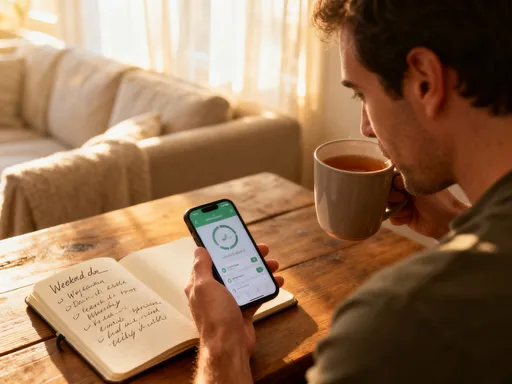
If you’ve ever stared at a router manual and felt defeated, I get it. Tech can feel intimidating. But setting up a water leak detector is nothing like that. In fact, I did mine during a coffee break while my daughter finished her homework. Most models come with a simple app that walks you through the process step by step. You download the app, create an account, plug in the base station (if your model has one), and then connect the sensor to your Wi-Fi network. The whole thing takes less than 15 minutes.
The key is placement. You want to put the sensors in high-risk areas—anywhere water is used or stored. Under the kitchen sink is a top spot, since pipes and connections are hidden there. Behind the washing machine is another common leak point. The bathroom vanity, near the water heater, or even beside the toilet are all smart choices. Some people even put one in the basement or near a sump pump. The sensor sits flat on the floor, and many have a small groove to catch water early. Once it’s in place, the app usually confirms the connection and runs a quick test.
Battery life is another worry I hear about. Most sensors run on long-life batteries that last a year or more. The app will notify you when it’s time to replace them, so you’re never caught off guard. And if you’re concerned about Wi-Fi strength, don’t be. These devices use very little bandwidth and are designed to work on standard home networks. I have mine on the same network as my smart speaker and security camera, and everything runs smoothly. The bottom line? If you can use a smartphone, you can set this up. And if you’re still unsure, most brands have customer support or video guides to help. It’s not about being tech-savvy. It’s about being thoughtful. And you don’t need to be an expert to care for your home.
Real Families, Real Relief
Let me tell you about Maria, a schoolteacher and mom of two. She installed a leak detector under her kitchen sink just before fall break. A week later, she was in the middle of picking up her son from soccer practice when her phone buzzed. “Water detected.” She pulled over, opened the app, and saw the alert. She called her older daughter, who was home doing homework, and asked her to check. Sure enough, the dishwasher drain line had come loose. Her daughter turned off the water at the source, and Maria called a plumber for the next day. The total damage? A damp towel and a quick repair. But the relief? Immense. “I kept thinking, if I hadn’t had that alert, I wouldn’t have known until I got home at 7 p.m.—and by then, it could’ve been so much worse,” she told me. “It felt like the house was looking out for us.”
Then there’s James and Anita, a couple who love to travel. They installed two sensors before their two-week trip to Japan. On day five, Anita got an alert while they were touring Kyoto. “Water detected: Laundry Room.” They called a house sitter, who confirmed a small leak from the washing machine hose. The sitter turned off the water, cleaned the floor, and sent a photo. No stress. No emergency calls. When they got home, everything was fine. “We didn’t lose a single moment of our vacation worrying,” Anita said. “That peace of mind was worth every penny.”
And it’s not just about big leaks. Sometimes, it’s the small warnings that matter most. One woman told me her sensor went off after a heavy rainstorm. She checked and found a tiny drip from a window seal that had started to fail. It wasn’t a major leak, but it was the first sign of a problem she hadn’t noticed. She called a handyman, fixed the seal, and prevented future damage. “It wasn’t a disaster,” she said. “But it could’ve become one. The sensor gave me a heads-up I didn’t know I needed.” These stories aren’t rare. They’re becoming more common—and that’s a good thing. Because when tech works quietly in the background, it gives us space to live our lives without fear.
Making Safety a Habit, Not a Hassle
At the end of the day, this isn’t really about technology. It’s about care. It’s about looking out for the people and places you love. We invest in smoke detectors, security systems, and carbon monoxide alarms because we know they protect what matters. A water leak detector belongs in that same category. It’s not a luxury. It’s not a gadget for tech lovers only. It’s a simple, smart way to add another layer of safety to your home—one that’s affordable, easy to use, and quietly effective.
What I love most about these devices is how they disappear into daily life. You don’t have to think about them. You don’t have to check them every day. They just work. And when they do, they don’t demand attention—they deliver relief. The best technology doesn’t dazzle with lights and sounds. It blends in. It supports. It watches over your home like a silent guardian, giving you the freedom to focus on what really matters: your family, your peace, your life.
So if you’ve ever worried about what might happen while you’re away, if you’ve ever felt that little tug of anxiety when you close the front door, I want to encourage you: consider this small step. It won’t change your life in a dramatic way. But it will change how you feel about your home. It will give you one less thing to carry. And in a world that already asks so much of us, isn’t that exactly the kind of support we need? The future of home safety isn’t about complexity. It’s about clarity. It’s about knowing that even when you’re not there, your home is protected. And that, my friend, is a feeling worth having.