From Silent Dinners to Shared Stories: How Video Editing Brought Our Family Back Together
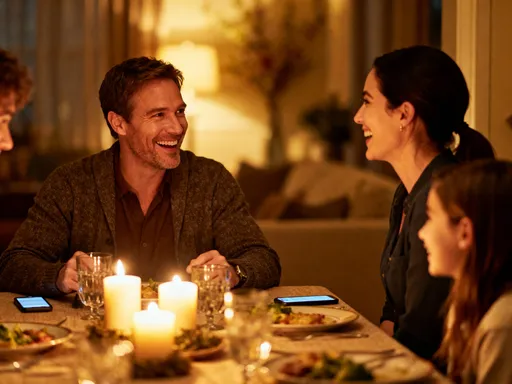
Family dinners used to feel awkward—everyone nodding over plates, phones glowing like tiny campfires. We were together, but not *together*. Then I tried something simple: turning our meals into short video clips, edited just enough to highlight laughter, glances, and the occasional burnt casserole. What started as a tech experiment became a weekly ritual. Suddenly, we weren’t just eating; we were remembering, laughing, connecting. This isn’t about fancy tools—it’s about turning ordinary moments into something we all want to return to. And honestly, if you’ve ever sat at the table feeling more like a roommate than a family, you’ll understand why this small shift changed everything.
The Empty Ritual of Modern Family Dinners
Let’s be real—most of us still gather for dinner. The table gets set, the food comes out, everyone finds a seat. But how many of those meals actually feel like connection? I used to think I was failing as a mom because no one seemed interested in talking. My daughter would scroll through her phone, my son mumbled one-word answers, and even my partner, bless him, was more focused on the news than on us. We were in the same room, but emotionally, we were miles apart.
It wasn’t always like this. When the kids were little, dinner was chaos—but it was *our* chaos. Spilled milk, sticky fingers, endless questions about dinosaurs and why the sky is blue. Now, the house is quieter, but somehow emptier. I realized we weren’t just losing conversation—we were losing the rhythm of being together. The dinner table, once the heartbeat of our home, had become a pit stop between homework, chores, and bedtime. And I wasn’t alone. I started asking friends, and so many said the same thing: “We eat together, but it feels… hollow.”
The truth is, we didn’t stop caring. Life just got louder, faster, more distracted. Phones buzzed with messages, work emails crept into the evening, and the kids’ schedules filled up like a corporate calendar. Technology, which promised to bring us closer, sometimes did the opposite. It wasn’t the devices themselves—it was how we used them. We became so used to capturing moments for others that we forgot to live them for ourselves. And in that quiet drift, something precious slipped away: the feeling of belonging, right here, right now.
A Simple Spark: Capturing Dinner on Camera
One rainy Tuesday, something shifted. My mother was visiting, and she kept saying, “I just love watching you all together.” She wasn’t asking for photos—she just wanted to *see* us. That night, after dessert, I pulled out my phone and recorded three minutes of us cleaning up—laughing over a spilled glass of juice, my son doing his terrible impression of the dog, my mom humming an old song while wiping the counter. I didn’t post it. I just saved it.
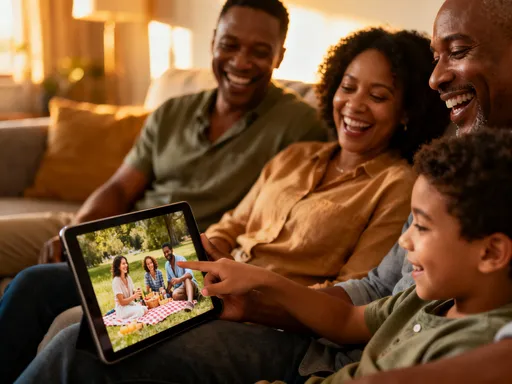
Later that week, I watched it back. And I froze. There it was—the way my daughter’s eyes lit up when her brother made her laugh, the way my husband reached over to squeeze my hand without looking, the sound of my mom’s voice, warm and familiar. These weren’t grand moments. They were tiny, fleeting, and completely real. But on screen, they felt like treasure. I remember thinking, This is what I’ve been missing. Not the food, not the routine—but this.
That’s when it hit me: maybe the problem wasn’t that we weren’t connecting. Maybe we just weren’t *seeing* each other. The camera didn’t change our behavior—it revealed it. And for the first time in a long while, I saw my family not as people I lived with, but as people I *loved*, up close and unfiltered. The next week, I brought the phone to dinner again. This time, I told them: “I’m going to record a little bit. Not for anyone else—just for us.” My daughter groaned. My son said, “Do I have to smile?” But they didn’t stop eating. And when we watched it together later? We laughed. Really laughed. Not because it was perfect—but because it was us.
Why Video Editing, Not Just Recording, Made the Difference
Here’s the thing: raw video is messy. There’s silence, awkward pauses, someone coughing, the fridge humming in the background. At first, I showed my family the unedited clips, and yes, we laughed—but not in a good way. It felt flat, like watching a security camera feed of our lives. That’s when I realized: recording was just the first step. The real magic happened in editing.
I didn’t want to create a movie. I just wanted to highlight what mattered. So I started trimming the long silences, cutting out the parts where someone was just staring at their plate. I added soft background music—nothing dramatic, just a gentle piano tune that made the moment feel warmer. I boosted the audio so we could hear the quiet jokes, the muffled “I love you” my husband whispers when he thinks no one’s listening. I even adjusted the lighting a little, so the candle glow looked golden instead of yellow.
And suddenly, the clips didn’t feel like footage. They felt like memories. Editing wasn’t about faking perfection—it was about *focusing* on the good. Like putting a frame around a photo, it helped us see the heart of the moment. I remember showing one clip where my son finally tried the broccoli I’d been begging him to eat for years. In real time, it lasted two seconds. But by slowing it down and adding a silly sound effect, it became a family legend. “The Great Broccoli Victory,” we call it. My son still rolls his eyes—but he smiles every time.
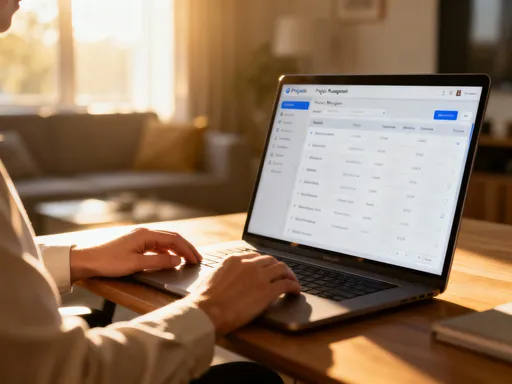
The beauty of it? You don’t need to be a filmmaker. Most editing apps today are designed for people like me—people who used to panic at the thought of “timelines” or “rendering.” With just a few taps, I could turn a three-minute blur into a 60-second story that made us all say, “That’s us. That’s *us*.” And that’s when the real shift began—not in the technology, but in how we started seeing each other.
The Tools That Fit Our Real Life (No Tech Skills Needed)
I’ll admit it: I used to be intimidated by anything that sounded like “digital editing.” The words “export settings” used to make me shut the app immediately. But the tools available now? They’re not made for pros. They’re made for moms, dads, grandparents, anyone who wants to keep a moment alive without spending hours learning how.
The app I use most is simple—clean icons, no confusing menus. There’s a “magic trim” feature that automatically cuts out the silent parts. There’s a “voice boost” that makes quiet speakers clearer, which is a game-changer when your teenager mumbles into their hoodie. The color correction fixes that weird blue tint phones love to add, so skin tones look natural, not alien. And the music library? It’s full of gentle, copyright-free tracks—no cheesy pop songs, just calm melodies that don’t distract from the voices.
Best of all, it’s not just me doing it. Last month, my son took over editing. He added a funny subtitle when my daughter said, “This soup tastes like sadness,” and suddenly, the whole table was quoting it for days. My mom even tried it—she uploaded an old family recipe video and used the app to add text and photos. She said it felt like “giving her kitchen stories a voice.” That’s the power of these tools: they don’t require skill. They require *care*. And when the whole family can participate, it stops being a project and starts being a tradition.
I’m not saying every app is perfect. Some still crash, some have too many ads, and yes, I’ve accidentally deleted a clip or two (lesson learned: always back up). But the learning curve is gentle. You can start with just one feature—trimming, music, or brightness—and build from there. And the more you do it, the more natural it feels. It’s not about mastering tech. It’s about letting tech serve the moments you love.
How Our Dinners Changed—One Clip at a Time
The first few times, the kids treated it like a joke. “Smile for the gram!” my daughter would say, making a ridiculous face. But slowly, something shifted. They started *performing* for the camera—not in a fake way, but in a playful, “let’s make this fun” way. My son began telling his terrible puns on purpose. My daughter started asking, “Did you get that?” when someone said something funny. Even my husband, who used to hate being filmed, now leans in and says, “Say something nice about me,” before taking a bite.
But the real change wasn’t in the videos—it was at the table. Eye contact increased. People put their phones down—not because I nagged them, but because they wanted to be *seen*. Conversations flowed more easily. We started asking, “What should we talk about tonight?” like it mattered. One evening, we did a “favorite moment this week” round. Another time, we shared childhood dinner memories. My mom told us about the time her dog stole the Thanksgiving turkey. We were laughing so hard, the dog barked from the other room, confused.
The ritual became something we all looked forward to. Not just the meal—but the clip. Knowing it would be edited, shared, and saved gave everyone a reason to be present. It wasn’t about being perfect. In fact, the “bloopers” became our favorites—the burnt garlic bread, the wine spill, the cat jumping onto the table. Those moments weren’t mistakes. They were proof we were alive, together, trying.
And here’s the unexpected part: the kids started inviting friends over for dinner. Not for parties, not for games—just to eat. One night, my daughter’s friend stayed for spaghetti. At the end, I recorded a 30-second clip. Later, she texted my daughter: “Your family is so… loud and happy. I love it.” That hit me hard. We weren’t just rebuilding connection at home—we were showing others what it could look like.
Beyond the Meal: Building a Family Archive of Real Moments
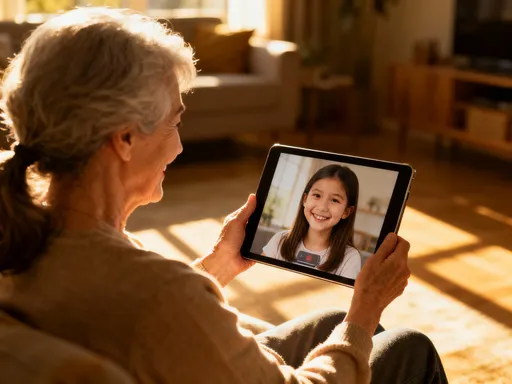
After a few months, I created a private album—just for us. No filters, no hashtags, no audience. Just our clips, organized by date. I didn’t plan to watch them often. But life happened. My aunt, who lives across the country, got sick. She couldn’t travel, and video calls were exhausting for her. So I sent her a compilation: 10 minutes of our dinners, holidays, even a rainy Sunday pancake breakfast.
She called me the next day. Her voice was quiet. “I didn’t know I needed this,” she said. “I felt like I was sitting at your table. Like I was part of it.” She told me she watched it twice. That night, I cried. Not because she was sick—but because I realized these clips weren’t just for us. They were for anyone who loves us. They were proof that we existed, that we laughed, that we stayed close.
Now, we add to the archive every week. Birthdays, first days of school, even ordinary Tuesdays. I don’t know what we’ll do with them years from now—maybe a wedding gift, maybe a retirement party, maybe just a quiet evening when we need to remember who we are. But I do know this: we’re not just documenting life. We’re *preserving* it. In a world that moves too fast, these clips are anchors. They say, “You were here. You were loved. You belonged.”
And when the kids argue, or I’m stressed, or the house feels too loud or too quiet, I can press play and remember: this is what matters. Not the clean floors or the perfect meal, but the way my son’s voice cracks when he sings off-key, the way my daughter still holds my hand when she’s tired, the way my husband smiles at me across the table like he still sees me. These are the things we’ll carry long after the plates are cleared.
A New Kind of Togetherness—Simple, Human, and Real
This journey wasn’t about banning phones or forcing conversation. It wasn’t about becoming tech experts or chasing viral content. It was about using a simple tool to do something ancient: pay attention. Video editing didn’t fix our family—it reminded us how to see each other again. It gave us a reason to look up, to listen, to laugh out loud without worrying about who’s watching.
And here’s what surprised me most: the more we filmed, the less we needed the camera. Now, even when I don’t record, the table feels different. People talk. They tease. They listen. The silence isn’t awkward—it’s comfortable, full of presence. We’re not performing for a clip. We’re just being together. And that, I’ve learned, is the real magic.
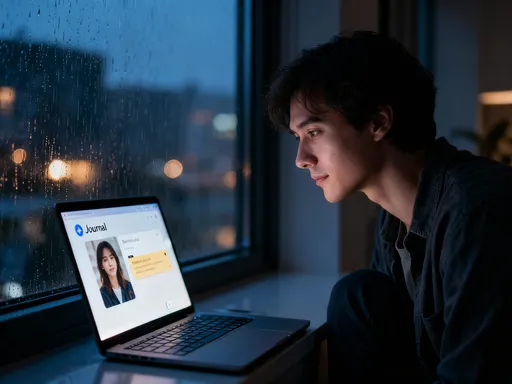
If you’re sitting at a quiet table, wondering how to reconnect, I’m not saying you need to start editing videos. But I am saying: find a way to *see* each other. Maybe it’s a photo, a journal, a shared playlist. Maybe it’s just putting the phones in a basket and asking, “How was your day—really?” The tool doesn’t matter. What matters is the intention.
Because connection isn’t built in grand gestures. It’s built in tiny moments—over burnt casseroles, spilled juice, and terrible jokes. It’s built when we choose to notice, to remember, to say, “This matters.” And when we do, we don’t just eat together. We live together. We grow together. We stay together—one quiet, joyful, perfectly imperfect clip at a time.