From Overwhelmed to Empowered: How Task Tools Helped Me Grow Without Burning Out
Life used to feel like a never-ending to-do list—emails piling up, tasks slipping through the cracks, and personal goals pushed aside. I was busy, but not really moving forward. Sound familiar? I’d go to bed exhausted, only to wake up to the same cycle. The worst part wasn’t the workload—it was the quiet guilt of knowing I wasn’t growing, just surviving. Then I discovered how simple task assignment tools, used the right way, could do more than organize my work—they helped me track my growth, celebrate small wins, and actually feel in control. This isn’t about perfection; it’s about progress that matters, every single day.
The Breaking Point: When "Busy" Stops Working
There was a week last year when everything came to a head. I was juggling my job, helping my kids with online school, planning meals, and trying to squeeze in a workout. On paper, I was productive—I checked off tasks all day. But emotionally? I felt hollow. One night, I found myself staring at a blank screen, tears in my eyes, because I couldn’t remember the last time I’d done something just for me. That moment wasn’t about time management. It was about meaning. I realized I wasn’t overwhelmed because I had too much to do. I was overwhelmed because I couldn’t see any forward movement in my life. I was spinning my wheels, and it was exhausting. The constant switching between roles—professional, mom, wife, planner—left me drained, and I started to wonder: If I’m this busy, why do I feel like I’m not becoming the person I want to be?
What I didn’t realize then was that my tools were part of the problem. I was using basic to-do lists, the kind that just tell you what to do but never show you how far you’ve come. Each morning, I’d start fresh, as if yesterday didn’t matter. There was no memory, no momentum. And without that sense of progress, motivation faded fast. I’d forget the small things I’d accomplished—like finally setting up automatic bill payments or reading 20 pages of a personal development book. Those wins disappeared into the void. The emotional toll was real. I began to question my abilities, not because I wasn’t capable, but because I couldn’t see my own growth. It’s hard to feel confident when your daily reality feels like a loop with no forward motion.
Finding the Right Tool: More Than Just Assigning Tasks
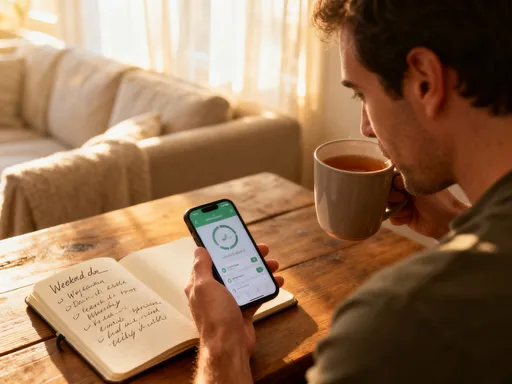
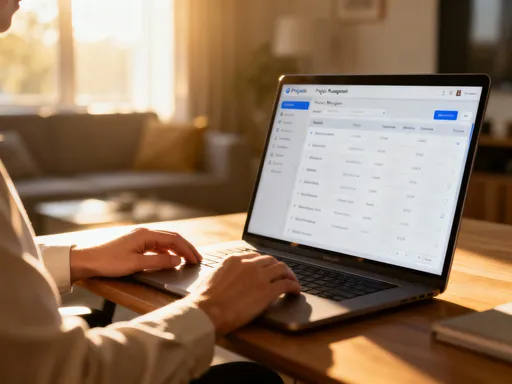
The turning point came when a friend mentioned she used a task tool that showed her progress over time—not just what she’d done that day, but how she was improving week after week. I was skeptical at first. I’d tried apps before—fancy ones with colors and reminders—but they all felt like digital sticky notes. This one was different. It had a dashboard that displayed completed tasks, streaks, and even time spent on different types of activities. At first, I thought it was just for work projects. But then I started using it for personal goals too—like learning a new recipe each week or writing three journal entries. And something shifted.
Seeing my progress visually changed everything. Instead of asking, "What’s next?" I started asking, "How far have I come?" That simple change in perspective made me feel more in control. I wasn’t just reacting to demands; I was building something. One evening, I noticed I’d written in my journal for 12 days straight—longer than I’d ever managed before. That small win gave me a rush of pride. It wasn’t about the journaling itself; it was about proving to myself that I could stick with something. The tool didn’t do the work for me, but it held the memory of my effort. And that made all the difference. I began to trust the process, not because I was suddenly more disciplined, but because I could see that I was growing, even when it felt slow.
Skill Growth You Can Actually See
One of the biggest challenges with personal growth is that it’s invisible. You can’t hold "better time management" in your hand or hang "improved communication" on the fridge. But when you start tracking progress, those abstract goals become real. I decided to focus on writing—something I’d always wanted to get better at. Instead of saying, "I’ll write more," I broke it down: write 300 words twice a week, review one article for structure, and submit one piece for feedback each month. I logged each of these in my task tool, and over time, I could see patterns. There were weeks I missed, sure, but there were also weeks where I exceeded my goal. And that data told a story my memory couldn’t.
After three months, I looked back at my dashboard and realized I’d written over 20 short pieces. That wasn’t just a number—it was proof. I’d improved my clarity, my flow, even my confidence. The tool didn’t teach me how to write, but it gave me the evidence that I was learning. I started noticing other things too—like how I was better at estimating how long tasks took, or how I’d stopped postponing difficult conversations. Those weren’t tasks I’d assigned, but they showed up in the patterns. For example, I saw that on days I planned my schedule the night before, I was less reactive and more focused. That insight led me to make evening planning a habit. Tracking didn’t just show me what I did—it revealed how I was changing, often in ways I hadn’t even noticed.
Sharing Progress, Not Just Tasks
One of the most unexpected benefits of tracking my progress was how it changed my conversations with others. I used to hesitate to talk about my goals because I was afraid of not following through. But when I started sharing my progress dashboard with a close friend who was also working on personal growth, something shifted. We didn’t just compare checklists—we celebrated growth. One week, she noticed I’d maintained a seven-day streak of morning walks. "You’ve been consistent," she said. "That’s huge." Her words meant more because they were based on something real, not just my mood that day.
Later, I shared my writing progress with a former colleague who’d offered to mentor me. When she saw the steady increase in output and the feedback I’d collected, she said, "You’re ready to pitch that article series." That wouldn’t have happened if I’d just said, "I’ve been writing a bit." The data gave her confidence in my commitment. And honestly, it gave me confidence too. Sharing tracked progress turned our conversations from casual check-ins into meaningful support. It wasn’t about showing off—it was about being seen in the process. And that made me more willing to take risks, ask for help, and keep going, even when I felt unsure.
Building Habits That Stick—Without the Pressure
Let’s be honest—most of us have tried to build habits the hard way. We set big goals, fail within a week, and beat ourselves up. I’ve been there. But tracking progress changed how I think about habits. Instead of focusing on perfection, I started paying attention to patterns. My tool showed me that I was more likely to exercise in the morning than at night. So I stopped forcing evening workouts and shifted to short morning stretches. I also saw that I skipped journaling on chaotic days—so instead of aiming for 500 words, I set a "minimum viable entry" of three sentences. These small adjustments weren’t about lowering standards. They were about working with my real life, not an idealized version of it.
The dashboard became a mirror, not a judge. When I missed a goal, I didn’t see failure—I saw information. Maybe I was tired. Maybe the goal was too vague. That shift from self-criticism to curiosity made all the difference. I started asking, "What can I learn from this?" instead of "Why can’t I do this?" Over time, the habits I did stick with became part of my rhythm. I didn’t need willpower—I had awareness. And that awareness came from consistent check-ins with my progress. I’d spend five minutes every Sunday reviewing the week—what worked, what didn’t, what I wanted to try next. It wasn’t a chore. It felt like a conversation with myself, guided by real data. That gentle accountability kept me on track without the pressure to be perfect.
Making Space for Life and Growth
One of the most beautiful side effects of tracking my progress was how much calmer I began to feel. My mind used to be cluttered with reminders, guilt, and "shoulds." Now, I could offload that mental weight into the tool. Knowing my tasks and goals were safely recorded freed up space—not just for productivity, but for creativity and connection. I started noticing things I’d missed before: the way my daughter described her day with more detail, the quiet joy of a well-planned evening, the satisfaction of finishing a book. I wasn’t just managing time better. I was present in my life.
And that presence opened the door to real growth. When your mind isn’t racing, you can think deeper, feel more, and act with intention. I found myself signing up for an online course I’d been putting off for years. I started saying "no" to things that didn’t align with my goals. I even began mentoring another woman who was struggling with the same overwhelm I’d once felt. The tool didn’t give me extra hours in the day, but it gave me clarity. And clarity created calm. That calm, in turn, made room for learning, for joy, for becoming. I wasn’t just tracking tasks—I was creating a life where growth felt natural, not forced.
Progress, Not Perfection: A New Way to Measure Success
Looking back, the biggest change wasn’t in my productivity—it was in my relationship with myself. I used to measure success by how much I could do in a day. Now, I measure it by how much I’ve grown over time. Did I handle a tough conversation with more patience? Did I try something new, even if it didn’t go perfectly? Did I notice my own progress and celebrate it? Those are my new metrics. And they’ve made all the difference. The task tool didn’t transform me overnight. It simply made my growth visible, so I could see it, believe in it, and keep moving forward.
If you’re feeling stuck, overwhelmed, or just unsure if you’re making progress, I want to invite you to try something small. Pick one area of your life—organization, learning, health, creativity—and start tracking it with a simple tool. It doesn’t have to be fancy. Just something that lets you see your journey. Check in weekly. Notice the patterns. Celebrate the tiny wins. And be kind to yourself when things don’t go as planned. Growth isn’t a straight line. It’s a spiral—sometimes slow, sometimes surprising, but always moving forward if you keep showing up. You don’t need to be perfect. You just need to keep going. And when you do, you’ll start to see it: the quiet, powerful truth that you are growing, one small step at a time.