More Than Dating: How Love Apps Gave Me Real Control Over My Eating Habits
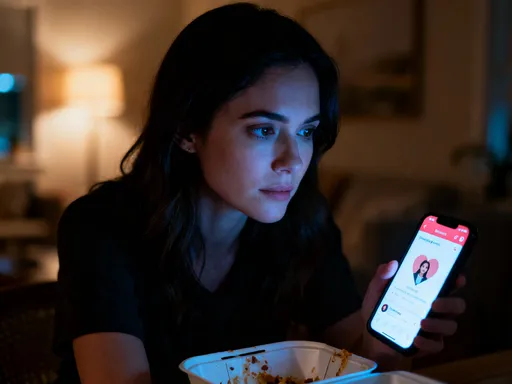
Living alone, I used to scroll through dating apps just to feel connected—even if it was fake. One night, after another dinner swiping instead of cooking, I realized something: these apps were shaping more than my love life. They were affecting what I ate, when I ate, and how I felt afterward. The endless matches, ghosting, and awkward small talk had become a background soundtrack to my meals. I wasn’t just choosing who to date—I was unknowingly choosing how to eat. Curious, I started paying attention—and suddenly, the same tools meant for romance became unexpected guides to better eating. What happened next wasn’t about finding *the one*, but finding myself again.
The Accidental Connection: How Online Dating Shaped My Plate
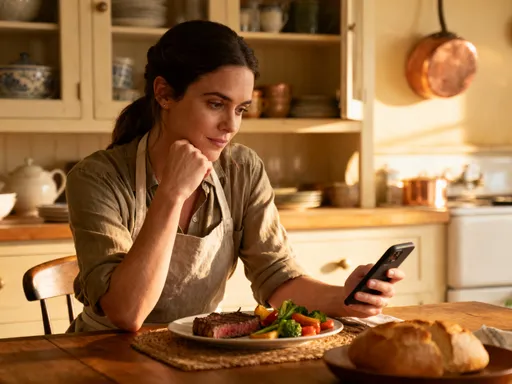
At first, I didn’t see the link between my phone habits and my food choices. I thought I was just being social, passing time, maybe hoping for a spark. But looking back, every swipe carried weight—emotional weight that spilled into my kitchen. On nights when I matched with someone exciting, I’d celebrate with takeout—something indulgent, something fast. Pad Thai at 10 p.m., pizza delivered after midnight. It felt like treating myself, but really, I was feeding an emotional loop. When a conversation fizzled or someone ghosted me, I’d open the app again, scrolling through faces while eating chips straight from the bag. The loneliness didn’t go away, but the crunch helped me ignore it—for a little while.
Then there were the dates themselves. Preparing for them changed how I approached food, but not always in healthy ways. I’d skip lunch to save room for dinner at a trendy restaurant, only to overeat later. I’d stress-eat the morning after a bad date, trying to soothe the sting of rejection with a giant muffin and too much coffee. I started calling these my “dating diet days”—not because I was trying to lose weight, but because my eating had become reactive, shaped by anticipation, anxiety, and disappointment. The apps weren’t telling me what to eat, but they were setting the mood for every meal. And slowly, I began to wonder: if technology could influence my emotions this deeply, could it also help me take back control?
From Swiping to Self-Awareness: Noticing the Patterns
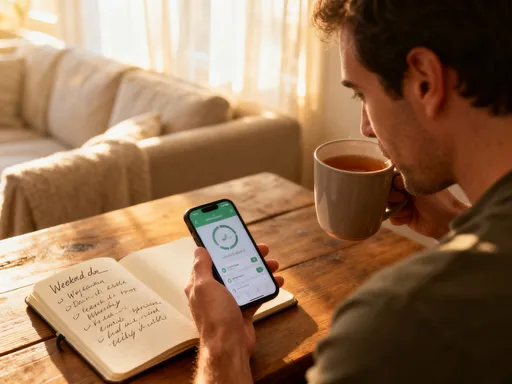
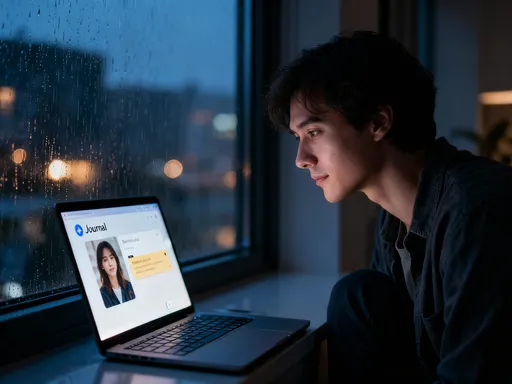
The turning point came when I started journaling—not about love, but about food. I downloaded a simple note-taking app and began logging what I ate each day, along with how I was feeling and how much time I’d spent on dating apps. At first, it felt silly. Was I really going to track my emotions like a teenager with a diary? But within a week, patterns emerged that surprised me. On days when I got a lot of matches, I tended to eat more sugar—cookies, ice cream, even cereal for dinner. When a conversation ended abruptly, I’d skip breakfast the next morning, as if my appetite had vanished along with the connection. And on weekends with no plans, I’d eat late, eat alone, and eat until I felt numb.
What struck me most wasn’t the bad habits—it was how unaware I’d been of them. These weren’t random choices. They were responses, tiny reactions to digital interactions that felt fleeting but left real traces in my body. One evening, after writing down “ate an entire bag of pretzels while waiting for a reply,” I paused. That moment wasn’t about hunger. It was about waiting. About hoping. About trying to fill silence with salt and crunch. And that’s when it hit me: the apps weren’t the problem. My relationship with them was. I wasn’t using them to connect—I was using them to avoid feeling. And food had become part of that avoidance. But if I could see the pattern, maybe I could change it. Not by deleting the apps, but by working with them—using the same technology to build awareness instead of escape.
Turning Rejection into Routine: Building Structure Around Emotions
Once I recognized the emotional triggers, I started experimenting. Instead of fighting the feelings that came with dating app use, I began using them as cues for better habits. It was like hacking my own behavior. For example, every time I got a match notification, I made it a rule: before I opened the message, I had to drink a full glass of water. At first, it felt forced. But soon, that little pause became a ritual. The buzz on my phone wasn’t just an invitation to chat—it was a reminder to care for myself. If I felt excited, I hydrated. If I felt anxious, I paused. If I felt rejected, I didn’t reach for snacks. I reached for a five-minute walk around the block.
It wasn’t about willpower. It was about redirection. I started treating the app’s signals like emotional traffic lights. A red light—someone stopped replying? That was my cue to stop, breathe, and do something grounding, like stretching or brewing a cup of herbal tea. A yellow light—awkward conversation, slow replies? Time to check in with myself: Am I hungry? Tired? Just lonely? A green light—good connection, fun chat? That was my signal to celebrate in a way that didn’t involve food. Maybe I’d text a friend, play a favorite song, or write down something I liked about myself. Over time, these small actions rewired my responses. The apps still brought emotions, but they no longer dictated my eating. Instead, they became part of a system that helped me stay balanced.
The Hidden Lessons in Profile Prompts: Learning Nutrition Through Connection Questions
One of the most surprising shifts came from the questions people asked on their profiles. Things like “Would you rather cook or order?” or “Best meal you’ve ever had?” seemed like small talk starters, but they made me think. I realized I hadn’t cooked a proper meal in weeks. I’d forgotten what I even liked to eat. So I started answering these questions honestly—not just in messages, but in real life. When someone said their favorite dish was homemade lasagna, I looked up recipes. When a match mentioned loving sushi, I researched how to make brown rice rolls with avocado and cucumber. What began as flirting turned into learning.
I started treating each profile like a tiny food journal. If someone said they loved breakfast, I’d ask what they usually ate. If they mentioned being vegetarian, I’d explore plant-based proteins. I wasn’t copying their diets—I was borrowing inspiration. And because it felt playful, not pressured, I didn’t feel like I was “on a diet.” I was just curious. I downloaded a free meal-planning app and began saving recipes that came up in conversations. I even started a folder called “Meals I Want to Try with Someone” — not because I was counting on a relationship, but because it gave me a reason to cook. Slowly, my kitchen came back to life. The apps weren’t teaching me nutrition directly, but they were sparking questions that led me to better choices. Connection, it turned out, was a gentler teacher than any calorie counter.
Date Prep as Diet Prep: How Getting Ready to Meet Taught Me Meal Planning
As I started going on more real dates, I noticed something unexpected: I wanted to feel good when I showed up. Not just look good—though that mattered—but feel energized, clear-headed, and present. That meant I couldn’t rely on last-minute takeout or caffeine crashes. I began grocery shopping earlier in the week, picking up fresh vegetables, lean proteins, and whole grains. I started meal prepping on Sundays—not because I was following a trend, but because I wanted to eat well during the week without thinking about it.
Planning for dates became a gateway to better habits. I’d make a big batch of quinoa salad and portion it out for lunches. I’d roast sweet potatoes and store them in the fridge for quick sides. I even started making smoothies the night before, so I could grab them on busy mornings. The motivation wasn’t weight loss or discipline—it was self-respect. I wanted to meet someone and feel like the best version of myself, not someone running on empty. And that desire carried over into my solo meals, too. I stopped skipping breakfast. I stopped eating standing up in front of the fridge. I started sitting down, using a plate, and enjoying my food. The dating apps had given me a reason to care, and that reason turned into routine. I wasn’t eating healthy to impress others—I was eating well to honor myself.
From Digital Chats to Real Kitchens: Cooking Together Online
Not every connection led to an in-person date, but some turned into something just as meaningful: shared cooking sessions over video chat. It started casually. One match suggested we both make the same recipe and eat “together” online. I laughed, but I said yes. We picked a simple dish—turmeric lentil soup—and texted while we chopped onions and stirred pots. When we video-called, it wasn’t awkward. It felt warm. We talked about our days, our families, our favorite comfort foods. And when we ate, we did it at the same time, smiling at our screens like old friends.
Those virtual dinners became a ritual. We tried new recipes each week—stir-fry, grain bowls, baked fish with roasted vegetables. Sometimes other friends joined. We’d turn it into a mini cooking club, laughing when someone burned the garlic or forgot an ingredient. What surprised me most was how much more I enjoyed eating healthy food when it felt social. I wasn’t forcing myself to eat vegetables—I was sharing them. The apps had once made me feel isolated, but now they were helping me build connection. And that connection made healthy eating sustainable. I didn’t need motivation from a fitness tracker. I had real people on the other side of the screen, cheering me on with every bite. It wasn’t about perfection—it was about presence. And in those moments, I felt truly nourished.
Beyond the Swipe: Finding Balance Without Sacrifice
Over time, I found myself using the dating apps less. Not because I gave up on love, but because I didn’t need them the way I used to. The constant swiping, the emotional rollercoaster, the late-night scrolling—it all faded because I felt more grounded. I wasn’t looking for validation in matches or replies. I was finding it in my kitchen, in my routines, in the quiet moments when I chose to care for myself. The apps hadn’t fixed my eating habits. I had. But they had shown me the path.
Today, I eat more balanced meals, not because I’m on a diet, but because I enjoy them. I cook more, not because I have to, but because it feels good. I listen to my body, not out of guilt, but out of respect. And when I do go on a date, I’m not trying to impress anyone. I’m just showing up as me—someone who knows how to take care of herself, one meal at a time. The technology didn’t change me. It reflected me. And in that reflection, I saw what I really needed: not more matches, but more meaning. Not more swipes, but more self-awareness. And not more distractions, but more real, nourishing connection—both with others, and with the woman I’ve become.