Monitored Every Door and Window for 3 Months: How I Gained Real Peace of Mind
Living with constant worry about whether the kids left a window open or if the back door was locked used to be my normal. I’d double-check every entry point before bed, only to lie awake wondering. Then I tried something simple—door and window sensors—and everything changed. Not because it’s high-tech, but because it quietly took that mental load off my shoulders. It’s like having a gentle reminder system that helps me breathe easier every single day. This isn’t about turning your home into a fortress or living in fear. It’s about giving yourself permission to relax, to trust that you’re not alone in keeping your family safe. And honestly? It’s one of the most freeing decisions I’ve made as a parent.
The Little Worry That Followed Me Every Day
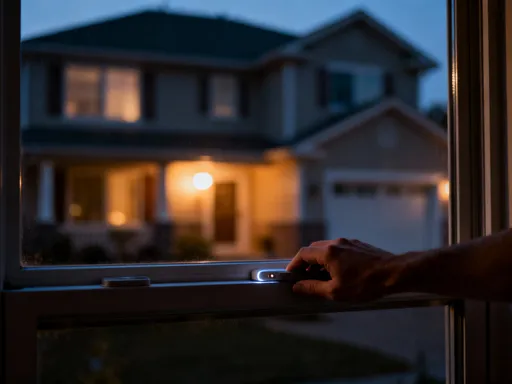
For years, I didn’t realize how much mental space I was wasting on small, repetitive fears—was the garage door closed? Did the dog push the patio door open again? These weren’t emergencies, but they added up. I’d walk through the house at night like a security guard, checking each point of entry. It wasn’t just about safety; it was about that nagging sense of responsibility. My mind never fully relaxed, even at home. That constant low-level anxiety affected my sleep, my mood, and even how I interacted with my family. I wanted to feel safe, but I didn’t want to live like I was under surveillance. I remember one winter night, I woke up at 2 a.m. convinced the basement window was open. I got up, went downstairs in my socks, and checked. It was closed. But I still couldn’t go back to sleep. The next morning, I was exhausted, short-tempered with the kids, and behind on everything. That cycle repeated more times than I’d like to admit. What I didn’t realize then was that peace of mind isn’t just about what’s physically secure—it’s about what’s emotionally manageable. And I was carrying too much.
Discovering a Simpler Way to Feel Secure
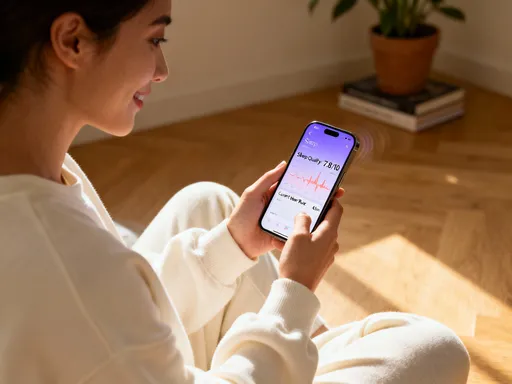
One day, a friend mentioned she uses small sensors on her doors and windows. I pictured something complicated—wires, apps, technical setups—but she showed me how easy it was. Just a tiny magnetic strip, one part on the frame, one on the door, connected to a small hub. When the door opens, it sends a quiet alert to her phone. No fuss. No training. I was skeptical, but curious. What if this could replace my nightly ritual? What if I could trust the house to tell me when something was wrong, instead of relying on my memory? She showed me how she got a notification when her son left the back door open after taking the trash out. She didn’t have to run outside in her slippers—she just opened the app, saw the alert, and asked him to close it. Simple. Effective. Human. That moment stuck with me. I realized I wasn’t looking for a high-tech solution to a big problem. I was looking for a gentle nudge to help me stop obsessing over the small things. And this? This felt like exactly that. It wasn’t about fear. It was about support. Like having a quiet partner in the background who’s just looking out for you.
Setting It Up Was Easier Than I Thought
I bought a starter kit with four sensors, fully expecting to struggle. But within 20 minutes, I had them installed—no tools, no drilling, just adhesive stickers. The app walked me through pairing each one. My 12-year-old even helped me label them: “Back Door,” “Kitchen Window,” “Dad’s Workshop.” That night, I got my first notification—a gentle chime on my phone when the laundry room door swung open. It wasn’t an alarm, just a heads-up. And somehow, that small sound made me feel more in control than ever. I remember thinking, That’s it? That’s all it takes? But then I realized—yes, that’s all it takes. Technology doesn’t have to be flashy or complicated to be life-changing. Sometimes, the smallest things make the biggest difference. I didn’t need to rewire my house or become a tech expert. I just needed a little help staying aware. And now, instead of feeling like I had to be the only one watching, I had a system that shared the load. It wasn’t replacing me as the caregiver or the protector—it was just helping me do it better, with less stress.
How It Changed Our Daily Routines
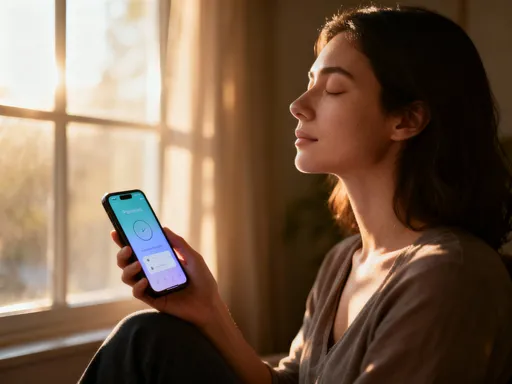
Now, I don’t have to wonder. When I’m cooking and hear a creak, I glance at my phone. If the sensor hasn’t triggered, it’s probably just the house settling. If it has, I can check without leaving the kitchen. My teenager loves it too—she gets a buzz if she forgets to shut her window before leaving for school. It’s not about surveillance; it’s about shared awareness. We’re all a little more mindful, and a lot less stressed. One morning, I was packing lunches when my phone dinged—“Front door opened.” I didn’t panic. I just said, “Honey, did you forget to close the door?” She ran back and shut it, no big deal. That used to be the kind of thing that would send me into a spiral—was someone outside? Did I leave it open? Now, it’s just information. Calm. Clear. Useful. Even my husband noticed the difference. He said, “You seem lighter lately.” And I am. Because I’m not carrying that invisible checklist in my head anymore. The sensors handle the reminders, so I can focus on what really matters—being present with my family, enjoying dinner without jumping at every sound, sleeping through the night without second-guessing myself.
More Than Security—It’s About Emotional Relief
The real benefit wasn’t just knowing the doors were closed. It was the quiet confidence that comes from not having to remember everything. As a parent, I carry so much mentally—schedules, meals, emotions. Letting the sensors handle one small part of that load gave me space to breathe. It didn’t make me paranoid; it made me calmer. I sleep better, worry less, and show up more fully for my family. There’s a word for this—cognitive offloading. It means letting something else hold a piece of your mental burden so you don’t have to. And that’s exactly what these sensors do. They’re not babysitters. They’re not replacements for good habits. But they are a safety net. A quiet “I’ve got you” when your brain is running on empty. I used to feel guilty for forgetting things—like locking the garage or closing the basement window. Now, I don’t beat myself up. I just check the app. And if something’s open, I fix it. No drama. No stress. Just peace. That emotional relief is priceless. It’s not about being perfect. It’s about being human—and having tools that help you thrive anyway.
Learning to Trust Technology Without Losing Control
At first, I feared becoming dependent or overly reliant. But these sensors don’t make decisions—they just inform. I still lock the doors. I still check when needed. But now, it’s a choice, not a compulsion. It taught me that good tech doesn’t replace us; it supports us. It’s like having a co-pilot who whispers, “Hey, the front door’s open,” instead of screaming at you mid-crisis. I used to think using tech like this meant I was giving up control. But the opposite is true. I have more control now because I’m not operating on memory or anxiety. I’m operating on information. And that makes all the difference. I also love that I can customize the alerts. I don’t get notifications at 3 a.m. unless it’s something I care about—like the front door opening. The rest? I can check in the morning. It’s not about being constantly connected. It’s about being meaningfully connected. I’m not glued to my phone. I’m just more aware. And that awareness? It’s empowering. It’s not making me anxious. It’s making me confident. I’m not afraid of the tech. I’m grateful for it. Because it’s not watching me. It’s watching out for me.
A Small Change That Made a Big Difference
Three months in, I can’t imagine going back. It’s not flashy, it’s not expensive, and it doesn’t do anything dramatic. But every day, it gives me a little more peace. It’s not about fear—it’s about freedom. Freedom from repetition, from doubt, from the weight of remembering everything. And in a world that demands so much, that’s a gift worth having. I used to think peace of mind was something you had to earn—by doing more, checking more, worrying more. But I’ve learned it’s actually about letting go. Letting go of the need to be perfect. Letting go of the belief that everything depends on you. Letting go of the mental clutter that keeps you up at night. These little sensors didn’t just monitor my doors—they helped me reclaim my calm. They reminded me that it’s okay to ask for help, even if that help comes in the form of a small device on a window frame. And honestly? That’s been the most beautiful part. I’m not just safer. I’m softer. Kinder to myself. More present. And that’s the kind of change that ripples through every part of your life. So if you’re someone who lies awake wondering, “Did I lock the door?” or “Is the window closed?”—I get it. I’ve been there. But you don’t have to stay there. Sometimes, the smallest step—like adding a quiet sensor—can lead to the biggest shift. Not because the tech is magical. But because you finally gave yourself permission to rest.